The Roots of Distress
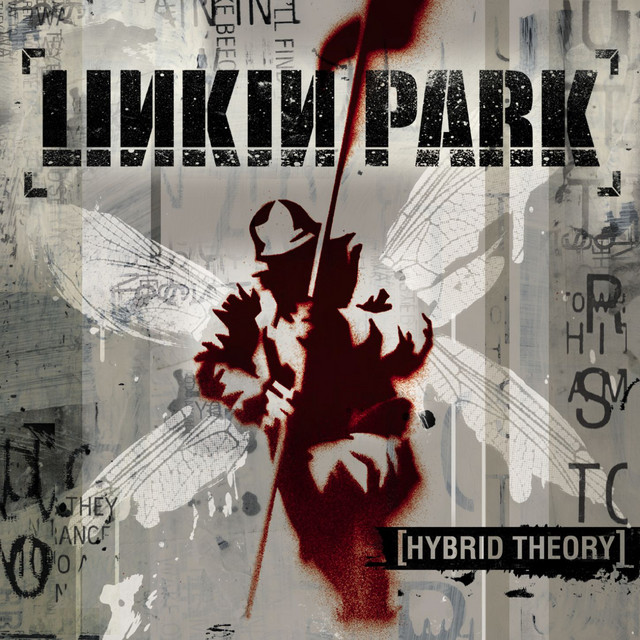
Linkin Park's debut album, Hybrid Theory, unleashed a raw energy that aggressively confronted internal turmoil. Released in 2000, the album introduced a generation to the complexities of mental health through a sonic blend of nu-metal and electronic elements. At the forefront of this exploration was the track "Papercut," a song that encapsulated the pervasive anxiety and paranoia that would later become synonymous with the band's identity.
Lyrics as a Mirror
"Papercut" opens with a relentless beat and Mike Shinoda's urgent rap, immediately immersing listeners in a world of chaos. The lyrics expose a mind gripped by fear and self-doubt, making it clear that the battle is internal. When Shinoda raps,
, it evokes a visceral sense of desperation, resonating with anyone who has faced their own mental demons."I can't take this anymore, I can't take this anymore"
A Band's Own Journey
Linkin Park's trajectory is often viewed through the lens of their lyrics, many of which stem from personal struggles. The band's frontman, Chester Bennington, openly dealt with his demons, and "Papercut" can be seen as an early indication of the darkness that permeated his life. The song's themes of relentless mental anguish foreshadow the band's later explorations of depression and loss.
Did you know? "Papercut" was one of the first songs recorded by Linkin Park as they shaped their sound, showcasing their unique blend of rock, hip-hop, and electronic influences.
Cultural Impact and Legacy
As the third single from Hybrid Theory, "Papercut" solidified Linkin Park's position in the music scene, but it also opened up dialogues about mental health that were rarely discussed in mainstream music at the time. The song's candidness about paranoia and feeling trapped spoke to a generation struggling with similar issues, making it a timeless anthem for those grappling with their minds.
Looking Back
In hindsight, "Papercut" is more than just a song; it's a harbinger of the band's struggles with mental health, a theme that would recur throughout their discography. The raw honesty of tracks like this one set the stage for their later work, including songs from Meteora and Minutes to Midnight, where the exploration of emotional pain deepened.
The evolution of Linkin Park's sound and themes mirrors their journey, making songs like "Papercut" crucial not just for their catalog but for the broader conversation around mental health in music. It serves as a reminder that the battle with one's mind is ongoing and that expressing these struggles through art can be both cathartic and unifying.