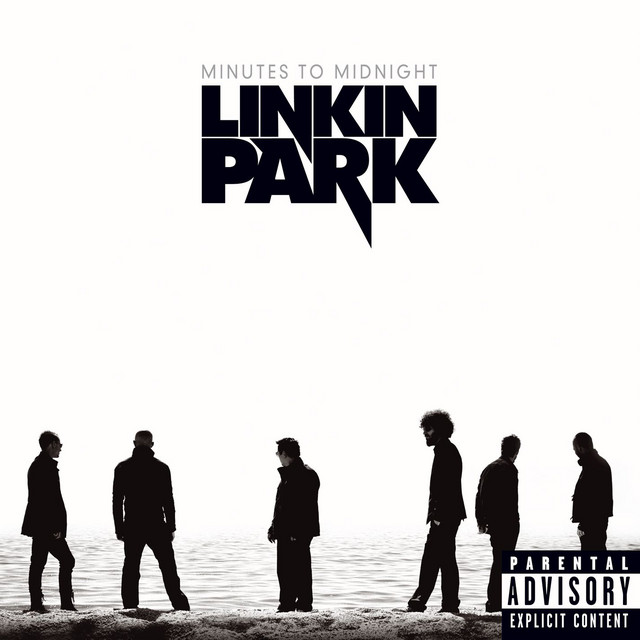
Defiance and Despair in a Tumultuous Era
Linkin Park's "No More Sorrow," featured on their 2007 album Minutes to Midnight, is more than just a hard-hitting track; it’s a battle cry echoing the political unrest of the mid-2000s. Released through Warner Bros. Records and produced by Mike Shinoda and Rick Rubin, the song channels a visceral anger that was palpable in the air during a period marked by war, economic strife, and environmental disasters.
The 2000s were a time when activism surged, particularly in response to the Iraq War and growing concerns about climate change. Linkin Park tapped into that frustration with lyrics that challenge complacency and demand accountability. The raw energy of the music complements lines like:
"No more sorrow, I’ve paid for your mistakes."
This line encapsulates a generation’s disillusionment with political leaders who seemed disconnected from the realities faced by everyday people. It speaks to a broader sentiment: the feeling of being burdened by the consequences of decisions made by those in power.
A Reflection of Societal Anguish
In a world where the media was increasingly dominated by images of conflict and chaos, Linkin Park’s lyrics provided a much-needed voice for the voiceless. The angst-ridden sound of Minutes to Midnight — a departure from their earlier nu-metal style — aligns perfectly with the urgent, almost desperate cries for change. The song captures the zeitgeist of a time when young people were taking to the streets, driven by a desire for a better future.
Linkin Park's commitment to activism is further illustrated through their engagement with social issues. Tracks like "Hands Held High" and "What I’ve Done" brought forth themes of accountability and redemption, creating a narrative that resonated with listeners who felt the weight of societal expectations.
Musical Elements of Resistance
The instrumentation in "No More Sorrow" is equally compelling. The aggressive guitar riffs and pounding drums serve as a sonic embodiment of rebellion. The band, known for their ability to blend rock with rap, strategically employs these elements to amplify their message. The urgency in Chester Bennington’s vocals demands attention and propels the listener into a state of reflection.
Some might overlook the musical prowess that underlies the political messaging. However, it is precisely this combination that allows Linkin Park to transcend mere commentary, making their music an anthem for those seeking change. The song’s structure, with its relentless build-up and explosive chorus, mirrors the escalating tension of the times.
Activism and the Band's Legacy
Linkin Park’s influence extends beyond music; they became cultural icons of a generation that yearned for justice and change. Their participation in various charitable events and campaigns, particularly for environmental causes, showcased their commitment to the very issues highlighted in their lyrics.
In May 2009, Linkin Park announced plans to work on more socially conscious music, reaffirming their dedication to activism.
"No More Sorrow" stands as a testament to this legacy. The blend of personal struggle with societal critique reflects a deep understanding of the human condition, making their message all the more powerful. As the world continues to grapple with similar issues today, the song remains relevant, reminding us of the importance of speaking out and fighting for change.
The Enduring Impact of 'No More Sorrow'
Years later, the urgency of Linkin Park's message remains crucial. The political undertones in "No More Sorrow" serve as a reminder that art can be a powerful tool for activism. The band’s ability to connect with their audience emotionally and politically has cemented their place in music history, making them not just a band but a movement.
As we reflect on the activism of the 2000s, it’s clear that Linkin Park played a pivotal role in capturing the spirit of the time. "No More Sorrow" is not just a song; it’s a rallying cry for those who refuse to accept the status quo, urging listeners to rise and demand a better tomorrow.