The Birth of a Generation's Anthem
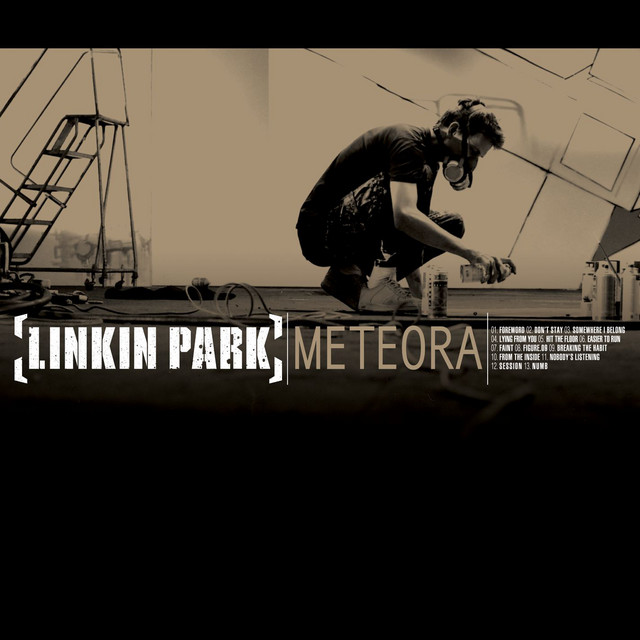
When Linkin Park released "Breaking the Habit" in 2003 as part of their second studio album, Meteora, the world was in a different place regarding mental health awareness. At the time, the music scene was dominated by superficial themes and escapism, but Linkin Park dared to confront the darker aspects of the human experience.
Produced by Don Gilmore, Meteora emerged as a powerful follow-up to the groundbreaking Hybrid Theory, cementing Linkin Park's status as leaders in the nu-metal genre. The band’s ability to blend heavy instrumentals with introspective lyrics gave voice to a generation struggling with anxiety, depression, and addiction.
Confronting Inner Demons
"Breaking the Habit" stands out not only for its haunting melody but also for its brutally honest lyrical content. The song encapsulates feelings of isolation and the struggle against self-destructive behaviors. Lines like
speak to the internal conflict many face but often feel too ashamed to admit."I don't know how I got this way / I know it's not all right"
In a genre that frequently glorified anger and rebellion, Linkin Park’s choice to address vulnerability was revolutionary. They effectively shifted the conversation from glorifying pain to acknowledging it, thus opening the floodgates for artists to explore topics of mental health more openly.
A Cultural Shift in the Music Industry
The impact of "Breaking the Habit" extended beyond its release. The song became a rallying cry for fans worldwide, offering solace to those grappling with similar issues. The accompanying music video, featuring animation that depicts the struggle against addiction and self-harm, further amplifies the song's message. It created a vivid representation of the battle many endure, making the subject matter accessible to a broader audience.
Linkin Park's willingness to tackle such themes paved the way for other artists to follow suit. The likes of Halsey, Billie Eilish, and even newer acts in the genre now routinely address mental health in their music. This shift is not only refreshing but also necessary in an industry that has historically overlooked the importance of mental well-being.
Breaking the Stigma
"Breaking the Habit" also contributed to the destigmatization of mental health issues within the music community. By openly discussing their struggles, the band not only humanized their experiences but also encouraged fans to seek help. Chester Bennington's later battles with depression and addiction made the song even more poignant, as it underscored the reality that even those who create art about healing can still face their demons.
The acknowledgment of mental health challenges has led to greater advocacy and support within the industry. Non-profits, hotlines, and initiatives aimed at mental health awareness have gained traction, thanks in part to the conversations sparked by songs like "Breaking the Habit."
Interesting fact: Meteora debuted at number one on the Billboard 200 and has since sold over 7 million copies in the U.S., solidifying Linkin Park's legacy.
A Lasting Legacy
The legacy of "Breaking the Habit" goes beyond its commercial success. Its cultural impact has helped redefine what it means to be an artist in the 21st century, encouraging vulnerability and authenticity in songwriting. The song serves as a reminder that while the journey to mental wellness is fraught with challenges, it is also filled with hope.
As we continue to navigate the complexities of mental health in the music industry, Linkin Park's contribution remains a vital touchstone. "Breaking the Habit" not only highlights the struggles many face but also champions the courage it takes to confront them head-on. By doing so, it has transformed from a mere song into an anthem of resilience.