Hip-Hop's Invisible Hand
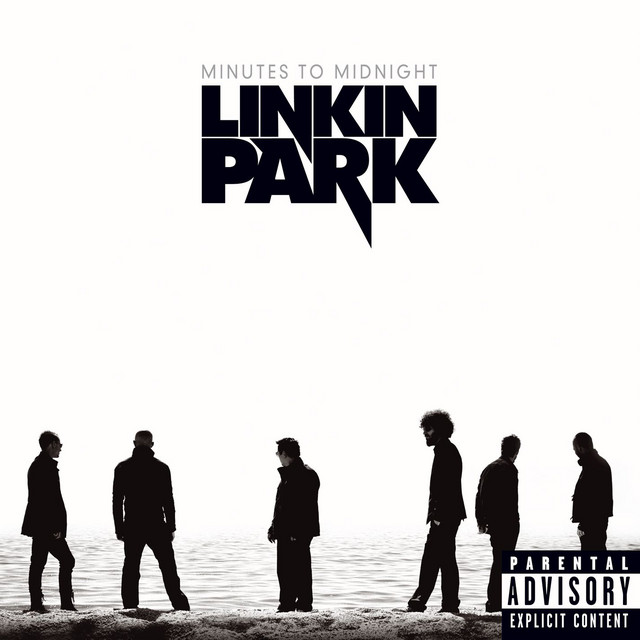
When Linkin Park dropped "Bleed It Out" as the second single from their 2007 album Minutes to Midnight, they were at a crossroads in their sound. The track, produced by Mike Shinoda and Rick Rubin, is a testament to how hip-hop influences permeated the band’s artistry, even as they were shifting away from their earlier nu-metal roots.
Rhythmic Flow Meets Rock
From the very first beats, "Bleed It Out" pulses with a driving rhythm that feels undeniably influenced by hip-hop grooves. The song's verses are delivered with a cadence that recalls rap's fluidity, a stylistic choice that showcases Shinoda's dual talents as both a rapper and a rock musician. It’s a blend that not only defines the song but also marks a pivotal moment in the band's evolution.
"I bleed it out, digging deeper just to throw it away"
This line captures the essence of the song's emotional struggle, but it also embodies a hip-hop ethos: the idea of digging deep into one’s experiences and laying them bare. The rhythmic delivery of this lyric emphasizes urgency, a quality often found in rap music.
Collaborative Spirit
Linkin Park’s collaboration with Rick Rubin, a legendary figure in hip-hop production, further solidified the influence of the genre on their work. Rubin, known for his minimalist production style and ability to bridge genres, helped guide the band towards a more raw and organic sound. This is evident in the way "Bleed It Out" fuses rock instrumentation with a hip-hop rhythm.
Interesting fact: "Bleed It Out" was performed live at the 2007 MTV Video Music Awards, showcasing the band's seamless blend of rock and hip-hop.
Emotional Catharsis
Beyond its rhythmic structure, the song's lyrical content also reflects a hip-hop influence in its raw honesty. The line
speaks to vulnerability, a theme often explored in hip-hop narratives. This willingness to confront personal pain and uncertainty resonates with listeners, creating a connection that transcends genres."I've opened up these scars"
A New Era for Linkin Park
With Minutes to Midnight, Linkin Park was consciously moving away from the formula that defined their earlier work. The incorporation of hip-hop elements in "Bleed It Out" illustrates their desire to evolve while staying true to their roots. The song serves as a bridge between their past and future, reflecting a band that was not afraid to experiment.
Conclusion: The Legacy of 'Bleed It Out'
Ultimately, "Bleed It Out" is more than just a single; it's a reflection of the broader cultural currents that influenced Linkin Park. By embracing hip-hop's rhythmic complexity and lyrical depth, the band created a track that stands as a testament to their versatility. It’s a reminder that genres can intertwine, creating something fresh and impactful.