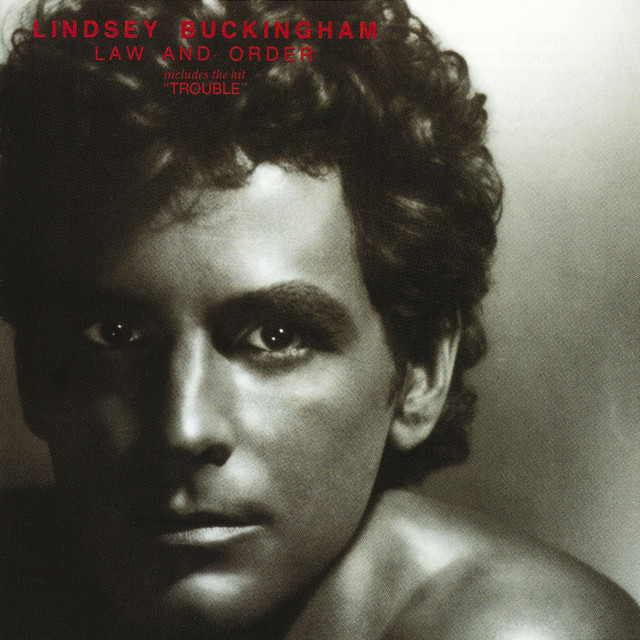
California Dreaming: The Sound of 'Trouble'
When Lindsey Buckingham released "Trouble" in 1981, it marked not only his debut solo single but also a significant shift in the musical narrative that had unfolded throughout the 1970s. The song, from his album Law and Order, embodies a sonic ethos deeply rooted in the California rock tradition, characterized by its intricate melodies and introspective lyrics.
Sun-Kissed Melodies and Personal Turmoil
California rock of the 70s thrived on a blend of personal storytelling and lush production, which "Trouble" exemplifies. The song's opening riff, a delicate yet compelling guitar line, is reminiscent of the sounds crafted by artists like Fleetwood Mac, a band where Buckingham honed his skills as a guitarist and songwriter. The fluidity of the music encapsulates a certain laid-back vibe while simultaneously addressing themes of heartache and emotional conflict.
Production Choices Shaped by the Era
The production of "Trouble" features the polished aesthetics typical of the late 70s and early 80s. Buckingham's collaboration with producer Richard Dashut is notable; together, they crafted a sound that's both expansive and intimate. The use of harmonies and layered guitar parts creates a rich textural experience, echoing the work of contemporaries like Jackson Browne and the Eagles, who similarly captured the complexities of love and loss in their music.
Lyricism Rooted in Reality
In "Trouble," Buckingham's lyrics delve into themes of uncertainty and introspection. The stark admission,
, serves as a testament to resilience, echoing the sentiments of many 70s California rock songs that grappled with personal struggles. This line encapsulates the tension between vulnerability and strength, a hallmark of the genre."You can take me down, but you can't break me"
The Influence of the California Sound
The California sound was marked by its blend of rock, pop, and folk elements, and Buckingham's style in "Trouble" reflects this synthesis. The use of syncopated rhythms and melodic hooks can be traced back to the earlier works of artists like The Beach Boys and Crosby, Stills, Nash & Young. Each note in "Trouble" feels like a nod to this rich musical heritage, while still carving out new territory for Buckingham as a solo artist.
Did you know? Lindsey Buckingham's "Trouble" was his first hit as a solo artist, reaching number 9 on the Billboard Hot 100.
Legacy of 'Trouble'
"Trouble" not only established Buckingham as a formidable solo artist but also served to bridge the gap between the classic California rock sound and the emerging new wave of the 1980s. Its influence can be seen in the work of many artists who followed, blending introspective lyrics with polished production. The song's enduring appeal is a testament to its roots in a musical era that valued both emotional honesty and sonic experimentation.
Conclusion: A Lasting Impression
As we revisit "Trouble," it's clear that the echoes of 70s California rock resonate throughout its structure and style. Buckingham's mastery of melody and production showcases how the past informs the present, allowing listeners to experience a multifaceted emotional landscape. In this respect, "Trouble" stands as a remarkable example of how a solo artist can both honor and innovate within a rich musical tradition.