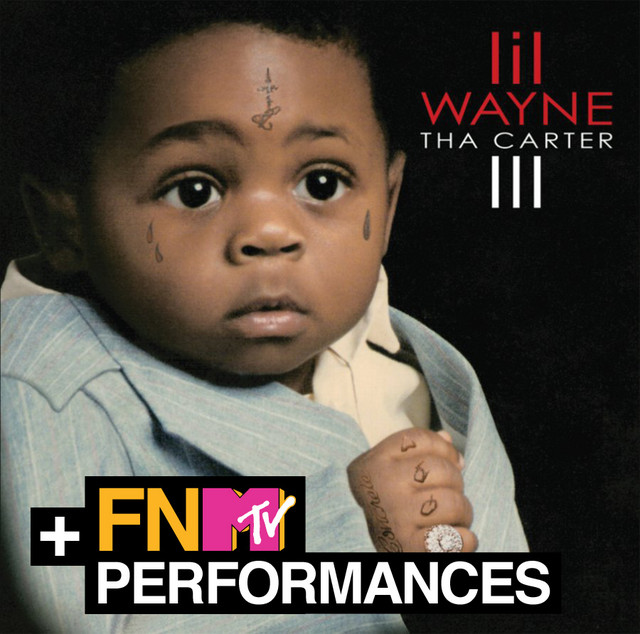
The Southern Sound in 'Lollipop'
When Lil Wayne released "Lollipop" in 2008, it marked a significant turning point in hip-hop, blending southern hip-hop's distinctive flair with the rising trend of hip house. Produced by Jim Jonsin, the track showcased a side of Wayne that was both playful and provocative, with its catchy hook and danceable beat drawing listeners in. The song's success was not merely a fluke; it was a testament to the regional influences that shaped its sound.
From Dirty South to Mainstream
The Dirty South genre has long been known for its heavy bass and rhythmic innovation, and "Lollipop" is no exception. The influence of Southern hip-hop is apparent in the track's laid-back yet infectious groove. Wayne's flow, which was often characterized by its melodic quality, aligns seamlessly with the upbeat production that Jonsin crafted. The playful lyrics, laden with double entendres, push the boundaries of conventional rap, echoing the bravado of Southern predecessors.
A Fusion of Styles
What sets "Lollipop" apart from other tracks in Wayne's discography is its unique blend of hip house elements with Southern rap aesthetics. This was a time when the hip-hop scene was evolving, and many artists were beginning to experiment with electronic influences. Wayne's choice to incorporate these sounds was a bold move that showcased his versatility. The pulsating beat, combined with Static Major's smooth vocals, creates an atmosphere that feels both celebratory and sultry.
Lyricism Meets Production
In "Lollipop," the lyrics serve as an extension of the song's vibrant production. The playful nature of lines like
invites listeners to engage with the music on a level that's both fun and flirtatious. This alignment of lyrics and production is indicative of how Southern hip-hop artists often fuse playful content with infectious beats, creating tracks that are not only memorable but also enduring."She said, 'You can be my lollipop'"
Influence of Regional Styles
Southern hip-hop has always been about community and celebration, and "Lollipop" encapsulates this ethos. The track became a party anthem, seamlessly fitting into club playlists across the country. The influence of Southern artists like OutKast and Gucci Mane can be felt in the way Wayne delivers his verses—confident, catchy, and infectious. The ability to blend different genres and sounds is a hallmark of Southern hip-hop, and Wayne's execution on this track exemplifies that mastery.
Legacy of 'Lollipop'
Ultimately, "Lollipop" not only highlights Wayne's ingenuity but also serves as a bridge between regional styles and mainstream hip-hop. Its success paved the way for a wave of artists who would later explore similar sounds. The track's impact is still felt today, as new artists draw inspiration from the Southern hip-hop influences that Wayne expertly wove into his work. It remains a standout example of how regional sounds can permeate and transform the broader musical landscape.
Did you know? "Lollipop" peaked at number one on the Billboard Hot 100, solidifying Lil Wayne's place as a mainstream icon.