Teenage Heartbreak on Repeat
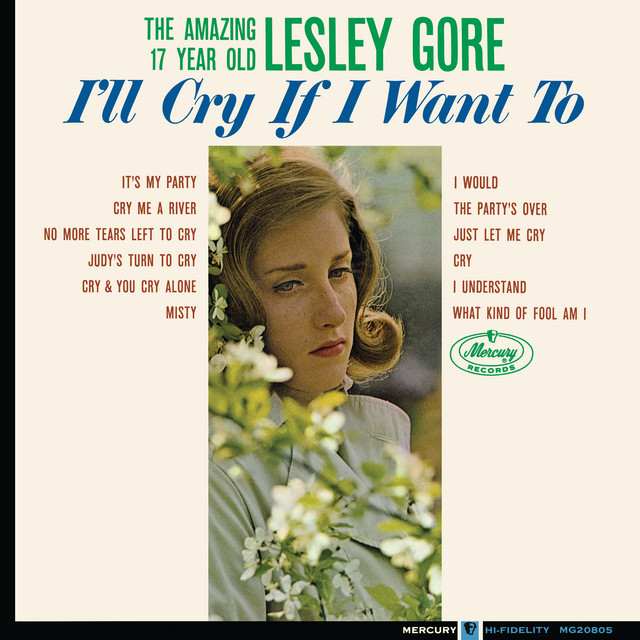
Released in 1963 as the lead single from her debut album, I'll Cry If I Want To, Lesley Gore's "It's My Party" instantly became a cultural touchstone for young listeners grappling with the pains of love and loss. At just 16 years old, Gore's voice carried a weight that belied her age, capturing the essence of a teenage girl’s heartbreak with startling clarity.
The song's narrative is deceptively simple: a girl watches her ex-boyfriend dance with another girl at her own party. Yet, it’s the emotional depth within those few minutes that transforms it into an anthem for anyone who has faced the agonizing sting of rejection. The chorus—"It's my party, and I'll cry if I want to"—reminds us that no matter the circumstances, the right to feel pain is intrinsically personal.
Production and Cultural Impact
Produced by the legendary Quincy Jones, the track combines a catchy pop melody with a pronounced sense of urgency. The instrumentation is bright and bouncy, which contrasts sharply with the melancholy of the lyrics. This push-pull of sound and sentiment is part of what makes it so relatable. The upbeat tempo almost tricks listeners into dancing along, while the lyrics compel them to confront their own heartbreak.
Lesley Gore was only 16 when she recorded this timeless classic, which reached No. 1 on the Billboard Hot 100.
With lines like
and"Nobody knows where my Johnny has gone"
, Gore paints a vivid picture of teenage despair. These are not just words; they are the raw cries of a girl who feels abandoned and alone, a sentiment that resonates universally. The clarity of her emotion makes the song an enduring favorite for generations."And if you don't come back, I'll be all alone"
Anecdotes from Youth
The song quickly became a rite of passage for young girls dealing with their first heartaches. It was more than just a song; it was a companion during sleepless nights and whispered conversations with friends over the phone. The relatability of Gore’s plight struck a chord, making it a staple at school dances and teen gatherings. It’s a song that captures the essence of feeling out of control in the face of romantic turmoil.
Even decades later, "It's My Party" continues to be a reference point in pop culture. Its influence can be seen in the works of contemporary artists who echo Gore's themes of heartbreak and resilience. The song's legacy extends beyond mere nostalgia; it serves as a touchstone for anyone who has navigated the often tumultuous waters of young love.
Legacy of Empowerment
Interestingly, Gore's narrative diverges from the traditional tropes of heartbreak songs. Rather than wallowing in despair, she asserts her right to feel sad and demands acknowledgment of her pain. In a world that often pressures young women to accept their heartbreak quietly, Gore’s declaration in the chorus is an act of empowerment. She doesn’t simply sing about sadness; she claims her space in the emotional landscape of her own life.
As we reflect on the song’s impact, it's evident that "It's My Party" is more than just a pop hit. It’s a declaration of emotional authenticity, a reminder that it’s okay to feel and express sorrow, even amidst festivities. It invites us to embrace our vulnerability, making it a timeless anthem for anyone who has ever felt the sting of young love.