Chasing Freedom in the 90s
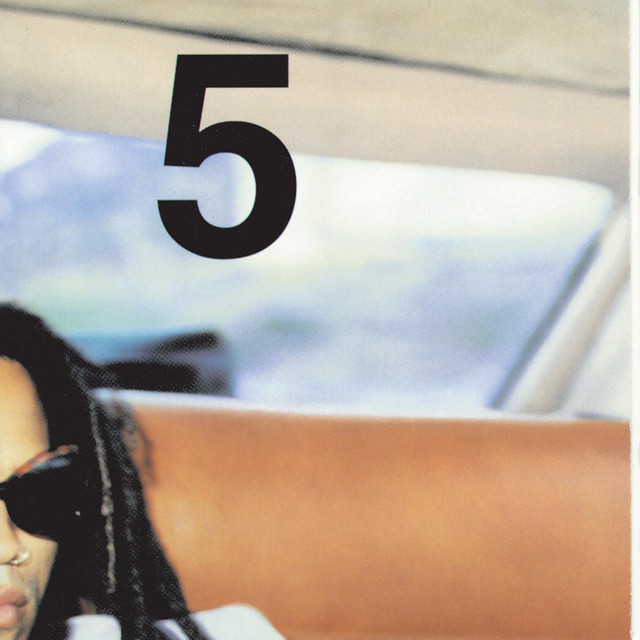
As the 1990s unfolded, a wave of alternative rock artists emerged, driven by a collective yearning to break free from societal constraints. Among them, Lenny Kravitz stood out with his 1998 hit "Fly Away" from the album 5. This track didn’t just dominate the airwaves; it embodied a spirit of escapism that defined a generation.
The Sound of Liberation
Musically, "Fly Away" is a fusion of rock, funk, and a hint of psychedelic flair, expertly produced by Kravitz himself. The song’s infectious groove and soaring guitar riffs create an atmosphere that invites listeners to leave their troubles behind. In a time marked by economic uncertainty and cultural shifts, this anthem of liberation struck a chord.
Lyrics that Lift You Up
With lyrics like
, Kravitz taps into the universal desire for freedom. The repetition of the phrase not only emphasizes this yearning but also creates a mantra-like quality that encourages listeners to envision their own escape. It’s a direct invitation to break from the mundane and embrace the thrill of adventure."I want to get away, I want to fly away"
Contextualizing the 90s Vibe
The late 90s were a time of disillusionment, particularly among the youth. The rise of grunge had already shaken the foundations of mainstream music, with bands like Nirvana and Pearl Jam channeling angst and rebellion. However, Kravitz offered a different perspective: one that celebrated the possibilities beyond one’s current situation. His music became an antidote to the overwhelming weight of reality.
A Broader Movement
"Fly Away" wasn’t just a standalone hit; it was part of a broader movement within alternative rock that encouraged escapism. Bands like R.E.M., with tracks like "What’s the Frequency, Kenneth?", and even the ethereal sounds of Radiohead’s early work, contributed to this ethos. Each artist, in their own way, was responding to the pressures of the world, yet Kravitz’s upbeat energy offered a refreshing outlook.
The Cultural Impact
The song's success was undeniable. It topped the Billboard Hot 100 chart and earned Kravitz a Grammy Award for Best Male Rock Vocal Performance. This recognition not only solidified his status as a rock icon but also highlighted the song's cultural significance as a breakthrough in alternative rock. It was a sound that transcended genres and appealed to a wide audience, from rock purists to casual pop listeners.
Legacy of Escapism
As we reflect on the legacy of "Fly Away," it’s clear that its message of escapism continues to resonate. The song has been featured in various films, commercials, and even video games, proving its timeless appeal. In an era where many seek solace in music, Kravitz's anthem remains a beacon of hope for those yearning to leave the chaos behind.
Conclusion: A Lasting Influence
In a world that often feels stifling, "Fly Away" serves as a reminder that music can be a powerful vehicle for liberation. Lenny Kravitz tapped into a vital current of the 90s, providing an escape route with infectious energy and a call to adventure. As we continue to navigate the complexities of modern life, this anthem of freedom remains relevant, echoing the desires of a generation that still longs to fly away.