The Blues Roots of Rock's Anthem
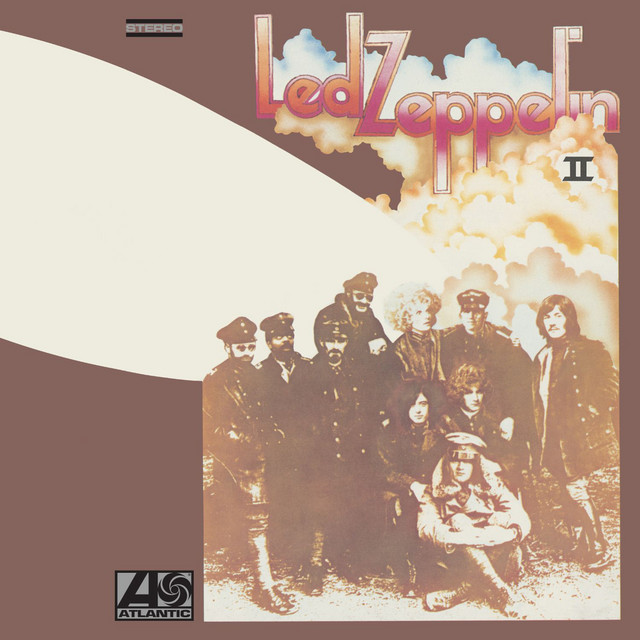
When discussing the seminal track "Whole Lotta Love," one can't overlook the shadow cast by blues legend Muddy Waters. Released in 1969 as the opening track of Led Zeppelin II, this song not only defined an era but also drew heavily from the rich well of blues tradition that Waters helped cultivate.
Muddy Waters' influence is palpable in the very structure of "Whole Lotta Love." The song's iconic riff, performed by Jimmy Page, echoes the raw, visceral energy of Waters' music. The way Page bends notes and employs a distorted, throbbing sound in the introduction is reminiscent of Waters' own guitar work, especially in tracks like "I'm Your Hoochie Coochie Man."
From Chicago Blues to British Rock
Waters' impact extended beyond mere sound; his lyrical themes and delivery also left an indelible mark. In "Whole Lotta Love," Robert Plant's vocal performance channels a similar sense of urgency and desire found in Waters' blues. The repeated line "You need cooling, baby, I'm not fooling" mirrors the seductive, almost primal quality of Waters' verses, where passion and longing are often intertwined.
"You need cooling, baby, I'm not fooling"
Both artists masterfully evoke desire, but where Waters might have hinted at deeper emotional currents, Zeppelin's approach is more flamboyant, a celebration of rock 'n' roll bravado.
Bridging Generations Through Sound
The interplay of blues and rock is not a new phenomenon, but Zeppelin's approach in "Whole Lotta Love" was revolutionary. By incorporating Waters' blues elements into a hard rock framework, Led Zeppelin created a sound that was both familiar and groundbreaking. This synthesis allowed them to stand out in a crowded musical landscape.
Furthermore, the use of the slide guitar in the song pays homage to Waters' signature style. The slide work, particularly prominent in the middle section, echoes Waters' fluid playing and adds a layer of authenticity to Zeppelin's rock aesthetic. This was not just a casual nod; it was a full-on embrace of the blues tradition.
The Cultural Significance of Influence
In the context of the late 1960s, Led Zeppelin's embrace of blues was both a tribute and a bold reclamation of the genre. With "Whole Lotta Love," they were elevating blues roots to new heights, introducing a generation of rock fans to the foundational sounds of American music. This cultural exchange revitalized the blues, bringing it into the mainstream while simultaneously reshaping rock music.
Interesting fact: Led Zeppelin performed "Whole Lotta Love" at every gig from June 1969 onward, making it a staple of their live shows.
The Legacy of 'Whole Lotta Love'
As time has passed, the reverberations of Waters’ influence within "Whole Lotta Love" remain significant. The song's structure and sound continue to inspire countless artists across genres, proving that the foundations laid by blues legends like Waters are timeless.
In the end, "Whole Lotta Love" is more than just a rock anthem; it’s a testament to the power of influence. In blending the raw emotional weight of blues with the explosive energy of rock, Led Zeppelin crafted a song that not only pays homage to Muddy Waters but also ensures that his legacy endures through the ages.