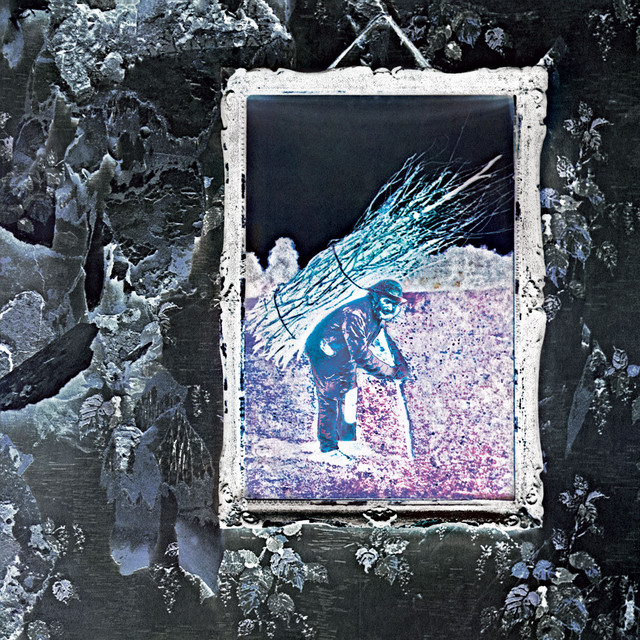
A Legacy Revisited
Led Zeppelin’s remaster of “When the Levee Breaks” stands as a testament not only to the band's monumental legacy but also to the deep, often overlooked blues roots that shaped their sound. Originally released in 1971 on the iconic album Led Zeppelin IV, the track is a masterclass in melding rock with the raw emotional weight of blues.
The Blues Origin
The song itself is a cover of a 1929 blues track by Kansas Joe McCoy and Memphis Minnie, which was inspired by the Great Mississippi Flood of 1927. This historical context adds layers of meaning to the lyrics, where the struggle against nature reflects a broader human experience. The original lamented,
This notion of displacement resonates through time, echoing the plight of those affected by natural disasters."When the levee breaks, I'll have no place to stay."
Reimagining Tradition
What Led Zeppelin achieved with their version is a reimagining that amplifies the emotional intensity while infusing it with heavy rock elements. The thunderous drums, courtesy of John Bonham, create a backdrop that feels both primal and apocalyptic. The remaster emphasizes this ferocity, making the listener feel as if they're standing in the eye of a storm.
The Instrumentation
Jimmy Page’s slide guitar work on the track pays homage to the Delta blues guitarists while simultaneously pushing the boundaries of rock. The haunting harmonica riffs add a layer of eeriness, reminiscent of blues legends like Howlin' Wolf and Muddy Waters. This interplay of instruments showcases how Led Zeppelin was not just a rock band but a vessel for the blues tradition.
Echoes of Tradition
In the remaster, the clarity of sound reveals nuances that may have been lost in the original mix. You can hear the emotional weight in Robert Plant’s vocals, which soar over the instrumentals with a sense of urgency. His line,
captures the futility of despair, a common theme in blues music that echoes the struggles of its origins."Crying won't help you, praying won't do you no good,"
The Cultural Impact
This remaster invites a reevaluation of Led Zeppelin's place in the musical canon. Often regarded as rock gods, there’s a risk of overlooking their profound connections to blues. The authenticity of their sound is deeply rooted in the struggles and stories of African American artists. By bringing this version to a modern audience, they remind us of the power of blues as a genre that transcends time.
Did you know? The original recording of “When the Levee Breaks” was famously done at Headley Grange, where the band utilized a staircase for the echo effect on Bonham's drums.
Conclusion
The remastered “When the Levee Breaks” serves not just as a nostalgic revisit but as a powerful reminder of the blues' indelible impact on rock music. It challenges listeners to acknowledge the lineage of sound that informs modern music, while simultaneously celebrating the raw emotional power that the blues embodies. Led Zeppelin did not merely play rock; they transformed the blues into something that could shake the very foundations of music itself.