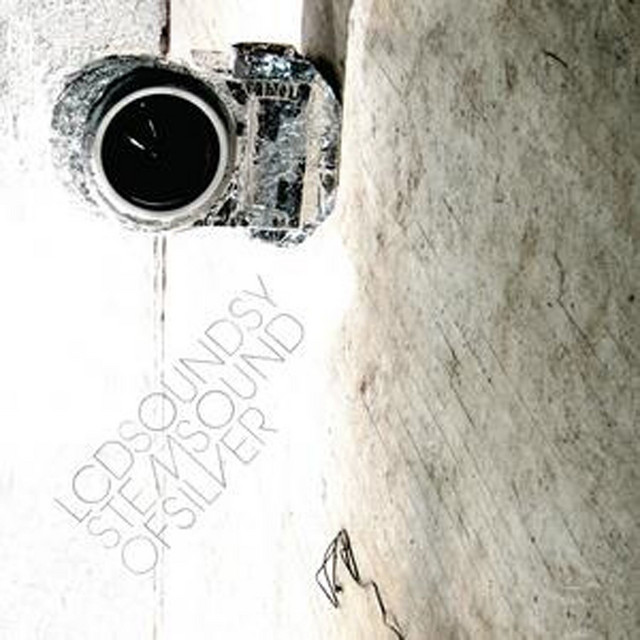
Losing My Edge
Summary
"Losing My Edge" is a song about feeling outdated and overshadowed by younger generations in music and culture. The narrator reflects on their past experiences and knowledge while grappling with a sense of loss and irrelevance.
Full Analysis
The overall theme revolves around the struggle of maintaining relevance in the fast-paced world of music and culture. The narrator feels like they’re losing their edge to younger, more talented individuals who seem to have better ideas and more appeal. This creates a tension between nostalgia for the past and the fear of being left behind. The repetition of “I was there” highlights their history and contributions, but it also underscores a sense of helplessness as they watch the new generation rise.
Verse 1
Yeah, I'm losing my edge.
I'm losing my edge.
The kids are coming up from behind.
I'm losing my edge.
In this opening verse, the narrator immediately sets the tone of the song. The repetition of “I’m losing my edge” emphasizes their anxiety about being outpaced by younger generations. The mention of “the kids” suggests a shift in the cultural landscape, where fresh talent is emerging and the narrator feels increasingly irrelevant. It’s a relatable feeling for anyone who’s ever felt left behind in their field or interests.
Chorus
I'm losing my edge.
I'm losing my edge to the kids from France and from London.
But I was there.
The chorus reinforces the main theme of the song. The narrator acknowledges their loss to the new wave of artists from different places, like France and London. The line “But I was there” serves as a reminder of their experiences and contributions, creating a tension between pride and vulnerability. It’s a classic struggle of wanting recognition for past accomplishments while grappling with the fear of being forgotten.
Verse 2
I was there in 1968.
I was there at the first Can show in Cologne.
I'm losing my edge.
I'm losing my edge to the kids whose footsteps I hear when they get on the decks.
This verse dives deeper into the narrator's history. They list specific moments in music history, giving credibility to their experience. However, the repetition of losing their edge highlights their frustration. They’re not just losing to any random kids; they feel they’re losing to those who are actively participating in the scene now, making it even more painful to confront their fading relevance.
Chorus
I'm losing my edge to the Internet seekers who can tell me every member of every good group from 1962 to 1978.
I'm losing my edge.
Here, the chorus shifts focus to the impact of technology and the internet. The narrator feels threatened by those who have access to endless information. This highlights a generational gap where knowledge isn’t just about experience anymore; it’s about quick access to information. The repetition of “I’m losing my edge” reflects their growing insecurity.
Verse 3
To all the kids in Tokyo and Berlin.
I'm losing my edge to the art-school Brooklynites in little jackets and borrowed nostalgia for the unremembered eighties.
But I'm losing my edge.
I'm losing my edge, but I was there.
In this verse, the narrator expands the geographical scope of their competition. They mention kids from Tokyo and Berlin, suggesting that the cultural landscape is now global. The reference to “art-school Brooklynites” paints a picture of a hip, trendy crowd that seems to embody everything the narrator fears losing. The repetition reinforces their struggle, while “but I was there” acts as a bittersweet reminder of their own contributions.
Chorus
I'm losing my edge.
I'm losing my edge, but I was there.
I was there.
This chorus reaffirms their ongoing battle with feelings of inadequacy. The repetition of “I was there” emphasizes the contrast between their past and present, making it even more poignant. It’s a powerful reminder that while they have history, it doesn’t seem to hold much weight against the fresh faces in the scene.
Verse 4
I can hear the footsteps every night on the decks.
But I was there.
I was there in 1974 at the first Suicide practices in a loft in New York City.
I was working on the organ sounds with much patience.
This verse brings back specific memories, grounding the narrator in their rich history. The mention of “footsteps” suggests they feel the pressure of the younger crowd constantly. Their recollection of being part of iconic moments in music history adds depth to their struggle. It shows they were once at the forefront but now feel overshadowed.
Chorus
I was there when Captain Beefheart started up his first band.
I told him, "Don't do it that way. You'll never make a dime."
I was there.
I was the first guy playing Daft Punk to the rock kids.
This chorus continues to highlight their influential role in music history. The anecdotes about Captain Beefheart and Daft Punk give a sense of pride but also underline their current feelings of being out of touch. They’re proud of their past but realize that it doesn’t seem to matter anymore in the grand scheme.
Verse 5
I used to work in the record store.
I had everything before anyone.
I was there in the Paradise Garage DJ booth with Larry Levan.
I was there in Jamaica during the great sound clashes.
In this verse, the narrator reflects on their past experiences in music, showcasing their deep knowledge and connections. They once had an edge in knowing and experiencing music before it became mainstream. These memories evoke nostalgia, but they also highlight the stark contrast between their past and the current landscape.
Chorus
But I'm losing my edge to better-looking people with better ideas and more talent.
And they're actually really, really nice.
I'm losing my edge.
This chorus hits hard with an acknowledgment that it’s not just talent the younger generation has; they also have charisma and appeal. The line about them being “really nice” adds a layer of complexity. It's not just competition; it's admiration mixed with envy. The narrator feels trapped between nostalgia and the reality of an evolving scene.
Bridge
I heard you have a compilation of every good song ever done by anybody.
Every great song by the Beach Boys.
All the underground hits.
All the Modern Lovers tracks.
In the bridge, the narrator shifts focus to the new generation’s curated collections of music. This shows how music appreciation has changed, with younger people having access to so much more than before. It’s a reminder of the vastness of music history and perhaps a signal that the narrator feels overwhelmed by it.
Outro
You don't know what you really want
You don't know what you really want
You don't know what you really want
You don't know what you really want
You don't know what you really want
You don't know what you really want
You don't know what you really want
You don't know what you really want
You don't know what you really want
You don't know what you really want
You don't know what you really want
You don't know what you really want
You don't know what you really want
You don't know what you really want
You don't know what you really want.
The outro is a repetition that feels somewhat frantic. It seems to challenge the younger generation’s search for identity and authenticity. By saying “you don’t know what you really want,” the narrator suggests that while they may be losing their edge, the new generation might not fully understand what they’re after either. It’s a moment of reflection, hinting that the quest for meaning in music and culture is ongoing and complex.
Closing Thoughts
"Losing My Edge" captures the essence of feeling outpaced in an ever-changing world. The song beautifully blends nostalgia with a sense of loss, all while recognizing the vibrant culture that continues to evolve. It’s a reminder that while we may feel lost at times, our experiences and history still hold value, even if the spotlight seems to have shifted elsewhere.
Full Lyrics
▼
I'm losing my edge.
The kids are coming up from behind.
I'm losing my edge.
I'm losing my edge to the kids from France and from London.
But I was there.
I was there in 1968.
I was there at the first Can show in Cologne.
I'm losing my edge.
I'm losing my edge to the kids whose footsteps I hear when they get on the decks.
I'm losing my edge to the Internet seekers who can tell me every member of every good group from 1962 to 1978.
I'm losing my edge.
To all the kids in Tokyo and Berlin.
I'm losing my edge to the art-school Brooklynites in little jackets and borrowed nostalgia for the unremembered eighties.
But I'm losing my edge.
I'm losing my edge, but I was there.
I was there.
But I was there.
I'm losing my edge.
I'm losing my edge.
I can hear the footsteps every night on the decks.
But I was there.
I was there in 1974 at the first Suicide practices in a loft in New York City.
I was working on the organ sounds with much patience.
I was there when Captain Beefheart started up his first band.
I told him, "Don't do it that way. You'll never make a dime."
I was there.
I was the first guy playing Daft Punk to the rock kids.
I played it at CBGB's.
Everybody thought I was crazy.
We all know.
I was there.
I was there.
I've never been wrong.
I used to work in the record store.
I had everything before anyone.
I was there in the Paradise Garage DJ booth with Larry Levan.
I was there in Jamaica during the great sound clashes.
I woke up naked on the beach in Ibiza in 1988.
But I'm losing my edge to better-looking people with better ideas and more talent.
And they're actually really, really nice.
I'm losing my edge.
I heard you have a compilation of every good song ever done by anybody. Every great song by the Beach Boys. All the underground hits. All the Modern Lovers tracks. I heard you have a vinyl of every Niagra record on German import. I heard that you have a white label of every seminal Detroit techno hit - 1985, '86, '87. I heard that you have a CD compilation of every good '60s cut and another box set from the '70s.
I hear you're buying a synthesizer and an arpeggiator and are throwing your computer out the window because you want to make something real. You want to make a Yaz record.
I hear that you and your band have sold your guitars and bought turntables.
I hear that you and your band have sold your turntables and bought guitars.
I hear everybody that you know is more relevant than everybody that I know.
But have you seen my records? This Heat, Pere Ubu, Outsiders, Nation of Ulysses, Mars, The Trojans, The Black Dice, Todd Terry, the Germs, Section 25, Althea and Donna, Sexual Harrassment, a-ha, Pere Ubu, Dorothy Ashby, PIL, the Fania All-Stars, the Bar-Kays, the Human League, the Normal, Lou Reed, Scott Walker, Monks, Niagra,
Joy Division, Lower 48, the Association, Sun Ra,
Scientists, Royal Trux, 10cc,
Eric B. and Rakim, Index, Basic Channel, Soulsonic Force ("just hit me"!), Juan Atkins, David Axelrod, Electric Prunes, Gil! Scott! Heron!, the Slits, Faust, Mantronix, Pharaoh Sanders and the Fire Engines, the Swans, the Soft Cell, the Sonics, the Sonics, the Sonics, the Sonics.
You don't know what you really want
You don't know what you really want
You don't know what you really want
You don't know what you really want
You don't know what you really want
You don't know what you really want
You don't know what you really want
You don't know what you really want
You don't know what you really want
You don't know what you really want
You don't know what you really want
You don't know what you really want
You don't know what you really want
You don't know what you really want
You don't know what you really want