Fashion's Unforgiving Mirror
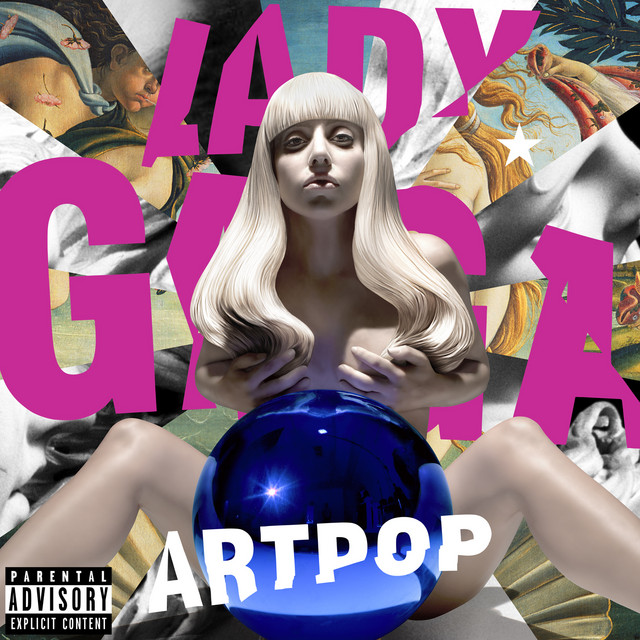
On her 2013 album ARTPOP, Lady Gaga's track "Donatella" does more than pay homage to the iconic designer Donatella Versace; it offers a sharp critique of the fashion industry itself. In a realm where beauty is often equated with value, Gaga's lyrics challenge the notion of perfection and the societal pressures that come with it.
With its pulsating beat and glossy production, the song is a celebration of high fashion, but it also reveals the underlying toxicity of an industry that can be both empowering and destructive. Gaga sings,
This line starkly emphasizes the performative aspects of identity in fashion, suggesting that much of what we perceive as beauty is a constructed façade."We’re all born naked and the rest is drag."
Glamour and Despair
In "Donatella," Gaga portrays a world where self-worth is inextricably linked to appearance. The song's infectious chorus contrasts sharply with the darker undertones of her message. Lines like
highlight the allure of the fashion world while also hinting at its shallow nature. The glitter may shine, but it often conceals insecurities and the relentless pursuit of validation."I live for glitter, I live for glam"
The song's upbeat tempo might lead listeners to overlook the serious critique at play. Gaga's playful yet biting lyrics serve as a reminder that the pursuit of beauty can lead to a cycle of despair. The disconnect between glamour and self-acceptance becomes glaringly apparent as she navigates through the glitzy chaos.
A Mirror to Society
Gaga's critique extends beyond just fashion; it reflects societal expectations around gender and identity. The pressure to conform to an ideal can be suffocating, especially for women in the public eye. In her world, the struggle for authenticity often clashes with the desire for acceptance. This duality is evident when she sings,
It’s an assertion of independence, yet also a commentary on the constraints imposed by societal norms."I’m a free bitch, baby."
The fashion industry, with its relentless focus on the superficial, often sidelines individuality. Gaga's narrative in "Donatella" challenges this status quo. She embraces a brand of self-expression that defies conventional beauty standards while critiquing the very foundations of the industry that dictates them.
Cultural Implications
As a pop icon, Gaga holds a mirror to the fashion world, reflecting its glories and flaws. The cultural implications of "Donatella" are significant, particularly in an age where social media amplifies the scrutiny of appearance. The song's commentary on the pressure to conform resonates with many, especially younger audiences navigating identity in a digital landscape.
Gaga's work in ARTPOP was not just about music; it was a statement on art, culture, and the often superficial nature of fame.
By intertwining personal narrative with broader societal critique, Gaga emerges as both a commentator and a participant in the world she critiques. Her playful yet pointed lyrics serve as a rallying cry for authenticity in a society obsessed with image.
Conclusion: A Call for Authenticity
Ultimately, "Donatella" is more than just a catchy pop anthem; it’s a complex exploration of identity, beauty, and the fashion industry's often toxic influence. Gaga's ability to weave critique into a commercial sound showcases her artistry and relevance in contemporary discourse. She invites listeners to question not only the fashion industry but also their own perceptions of beauty and self-worth.
As we navigate a world increasingly dominated by image, Gaga’s message resonates more than ever: embrace your flaws, reject superficiality, and remember that true beauty lies in authenticity.