The Sound of Heartbreak
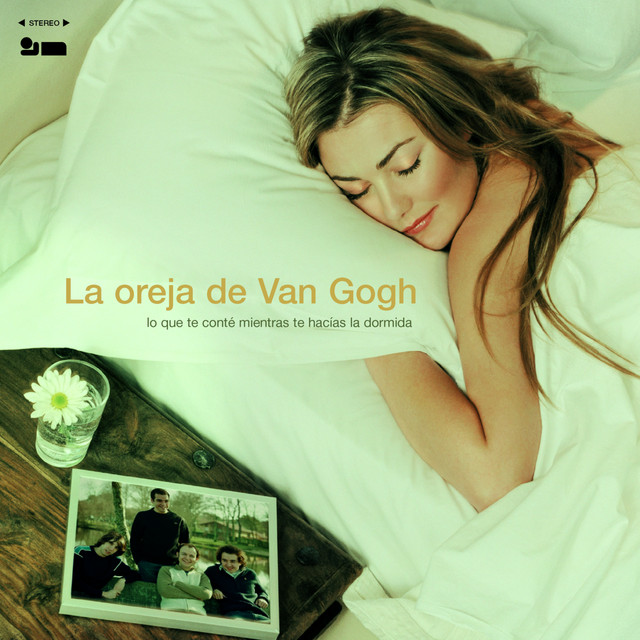
La Oreja de Van Gogh, hailing from San Sebastián in the Basque Country, has long been recognized for their catchy melodies and heartfelt lyrics. Their 2003 hit "Rosas" stands out as a modern anthem for unrequited love, expertly capturing the bittersweet nature of longing through a pop lens. Written by Xabi San Martín, the song's infectious chorus and poignant verses paint a vivid picture of infatuation that feels both timeless and deeply personal.
Melodic Heartache
From the very first notes, "Rosas" engulfs listeners in a soundscape that strikes a perfect balance between upbeat rhythm and melancholic themes. The production is polished yet retains an organic feel, allowing the emotional weight of the lyrics to shine through. The song is anchored in the genre of pop-rock, typical of La Oreja de Van Gogh's style, yet it transcends mere genre classification with its emotional depth.
"Y si tú no estás, me siento perdida"
This line, translating to "And if you're not here, I feel lost," encapsulates the essence of unrequited love. The straightforwardness of the lyric belies a profound truth: the absence of the beloved can leave one feeling adrift. It's a sentiment that many can relate to, making it a staple in the playlists of those who have navigated the choppy waters of unreturned affection.
A Relatable Narrative
The narrative structure of "Rosas" works effectively to draw listeners into its emotional core. The verses unfold like a diary entry, exposing vulnerabilities that most people hide. The protagonist's desire is palpable, yet so is the pain of unattainability. This duality is what makes the song resonate with so many; it turns personal heartache into a collective experience.
"Me quedan tus rosas, que no sabes lo que valen"
In this line, the imagery of roses becomes a powerful symbol of unfulfilled love. The protagonist clings to these flowers, reminders of what could have been, and their worth is magnified by the love that remains unreciprocated. Here, La Oreja de Van Gogh brilliantly captures the essence of holding on to memories that only serve to deepen one's longing.
The Cultural Impact
Since its release, "Rosas" has garnered a significant following. The song has been covered and referenced in various media, cementing its status as an anthem for those dealing with unrequited love. La Oreja de Van Gogh's ability to weave relatable narratives into catchy pop songs has made them a staple in Spanish-speaking countries and beyond.
La Oreja de Van Gogh's name translates to "Van Gogh's Ear," a nod to the iconic artist and a reflection of their commitment to creativity and emotional expression.
More Than Just a Song
What makes "Rosas" particularly impactful is its ability to evoke nostalgia. The song transports listeners back to moments of infatuation, heartbreak, and the often-unacknowledged pain of unreciprocated feelings. It’s a reminder of the fragility of human emotions and the complexities of love. Even years after its release, the song continues to speak to the heart, making it a classic for generations to come.
Conclusion
In a world where love can feel fleeting and often unattainable, "Rosas" serves as a melodic companion to those navigating the trials of unrequited affection. La Oreja de Van Gogh has crafted a song that, while anchored in its own cultural context, possesses a universal appeal. The blend of heartfelt lyrics with an irresistible pop sound ensures that "Rosas" will remain an enduring anthem for those who have loved and lost.