A Bold Step into Self-Exploration
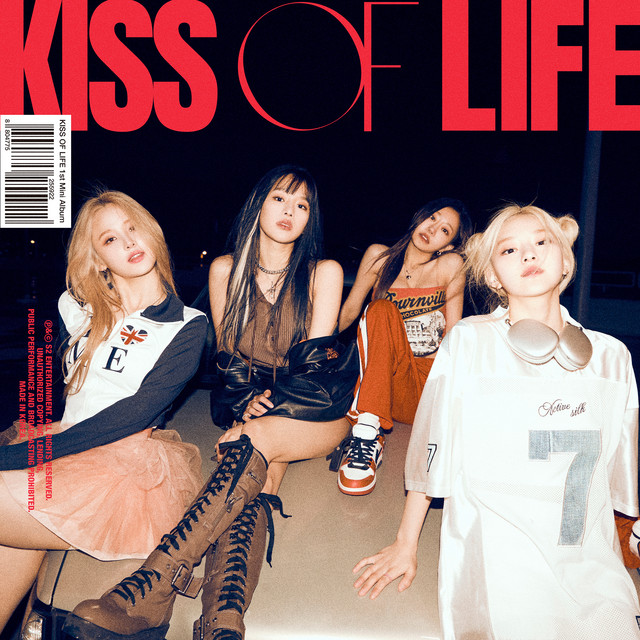
NATTY, a member of the South Korean girl group KISS OF LIFE, has sparked significant discourse surrounding self-identity with her solo track "Sugarcoat." Released as part of the group's debut EP, "Kiss of Life," on July 5, 2023, the song serves as a bold affirmation of personal authenticity in a music industry often dominated by curated personas.
In "Sugarcoat," NATTY explores the pressures of societal expectations, a theme that resonates powerfully in today’s hyper-connected world. The track’s catchy pop production, combined with its introspective lyrics, invites listeners to reflect on their own identities. NATTY sings,
This line emphasizes the importance of embracing one's true self rather than conforming to external pressures."Don’t you dare sugarcoat who you are, let it shine bright, like a shooting star."
Breaking the Mold
The song's release comes at a time when conversations about self-identity in music are more relevant than ever. With artists increasingly using their platforms to challenge norms, NATTY's message stands out. She encourages listeners to reject the urge to mask their true selves, which is especially poignant for young fans navigating their own identities.
This theme isn't just a personal anthem; it mirrors the broader cultural conversations about authenticity and the dangers of social media facades. In a world where filters and edits create idealized versions of reality, NATTY’s straightforward call to embrace imperfections feels refreshing and necessary.
KISS OF LIFE consists of four members: Julie, Natty, Belle, and Haneul, showcasing diverse backgrounds and perspectives.
Sonic Identity and Cultural Context
Musically, "Sugarcoat" blends upbeat rhythms with a contagious melody, appealing to a broad audience while maintaining depth in its message. The production balances pop sensibilities with elements of R&B, creating a sound that feels contemporary yet timeless. This sonic choice aligns perfectly with the lyrical content, allowing the song to create a space for both celebration and introspection.
NATTY, originally from Thailand and now based in South Korea, brings a unique cultural perspective to her work. Her journey as a Thai artist in the K-pop industry—a space often criticized for its narrow standards of beauty and success—adds another layer of significance to "Sugarcoat." By celebrating her own identity and urging others to do the same, she positions herself as a role model in the evolving narrative of representation in music.
The Impact Beyond the Track
Since its release, "Sugarcoat" has not only topped charts but also ignited discussions across social media platforms. Fans have taken to platforms like TikTok and Twitter to share their interpretations, often recounting personal stories of self-discovery and acceptance inspired by NATTY’s lyrics. This communal response illustrates the song's ability to connect deeply with its audience.
Moreover, the impact of "Sugarcoat" extends beyond music; it encourages dialogue about the importance of authenticity in all aspects of life. As listeners grapple with their identities, the song serves as a reminder that true beauty lies in self-acceptance and vulnerability.
A New Wave of Representation
NATTY’s work through "Sugarcoat" signifies a shift in the K-pop landscape, where artists are increasingly prioritizing personal narratives over manufactured personas. This evolution reflects a growing acceptance of diverse identities, encouraging artists from various backgrounds to express their truths.
In an industry often criticized for its rigid standards, NATTY’s approach is a breath of fresh air. By championing self-identity, she not only paves the way for herself but also for future artists who will undoubtedly draw inspiration from her courage.
Conclusion: Embracing Authenticity
Ultimately, "Sugarcoat (NATTY Solo)" is more than just a pop song; it is a cultural statement that challenges listeners to embrace their true selves. As conversations about identity continue to evolve, NATTY stands at the forefront, reminding us that authenticity is not just an ideal but a necessity in a world eager to impose its standards.