Moonlight as a Symbol of Liberation
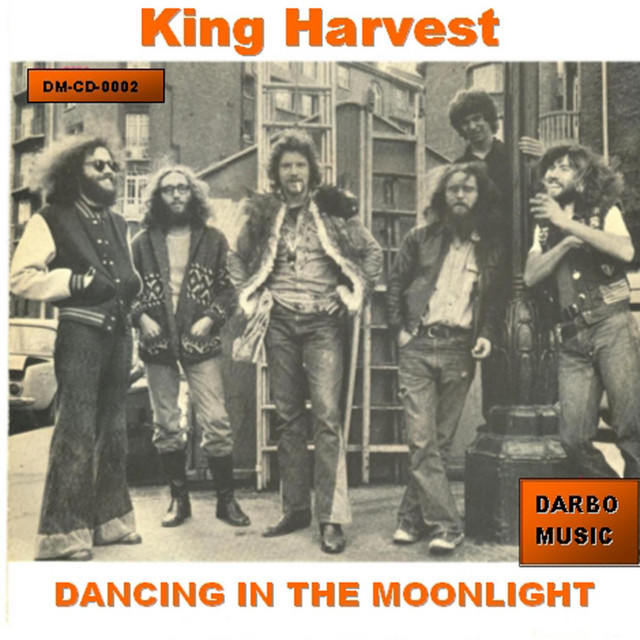
King Harvest's 1972 hit, "Dancing in the Moonlight," is more than just a feel-good anthem; it’s a celebration of freedom and the counterculture movement of the early 1970s. Written by Sherman Kelly, the song draws on the imagery of the moon as a symbol of liberation and spontaneity, inviting listeners to escape the constraints of everyday life.
The song’s breezy melody and laid-back groove mirror the ethos of the era. The 1970s were marked by a yearning for peace and a sense of community, stemming from the tumultuous 1960s. The lyrics invite us to revel in the joy of the moment, as captured in the line,
This imagery captures the essence of late-night gatherings, where the moonlight becomes a haven for those seeking connection and freedom."We get it on most every night, when that moon is big and bright."
Connection to the Counterculture Movement
The song was released against a backdrop of change. The counterculture movement was at its peak, promoting ideals of love, peace, and communal living. "Dancing in the Moonlight" aligns perfectly with this spirit, creating a sense of euphoria that encourages listeners to rejoice in their individuality while being part of a larger whole.
In a time when youth were rebelling against traditional norms, the song's carefree vibe acted as an anthem for those who sought to live outside societal expectations. The lyrics' suggestion to simply enjoy life, as expressed in the line,
reinforces the idea that joy can be found in shared experiences, regardless of the chaos of the world outside."Everybody's dancing in the moonlight,"
A Journey Through Musical Evolution
Originally recorded by Kelly's band Boffalongo in 1970, it was King Harvest's rendition that catapulted the track into mainstream success. The band, taking their name from the 1969 song "King Harvest (Has Surely Come)" by The Band, infused the track with a unique blend of rock and soft pop that became emblematic of the era.
With its catchy chorus and infectious rhythm, the song captures the essence of the 70s musical landscape, where artists began to explore themes of love, nature, and collective joy. The lush instrumentation and harmonies create an inviting soundscape, making it a perfect soundtrack for those moonlit nights spent with friends.
Emotional Resonance and Nostalgia
Over the years, "Dancing in the Moonlight" has endured as a nostalgic classic, frequently evoking memories of carefree summer nights. Its timeless appeal lies in its ability to transport listeners back to a simpler time when happiness was often found in the most unexpected moments.
The song's connection to the counterculture movement is not just historical; it continues to resonate with those who seek an escape from the pressures of modern life. In a world increasingly filled with division and discord, the song serves as a reminder of the power of togetherness, as articulated in the lyric,
This sentiment feels as relevant today as it did over fifty years ago."Let us all get together, everybody feel alright."
Conclusion: An Anthem for All Time
Ultimately, "Dancing in the Moonlight" stands as a beacon of optimism in the face of uncertainty. Its moonlit imagery encapsulates a time when music became a vehicle for change, reflecting the desires and dreams of a generation seeking liberation. This song is not just a relic of the past; it’s a reminder that, even in the darkest times, there’s a light to guide us through—one that shines brightly under the moon.