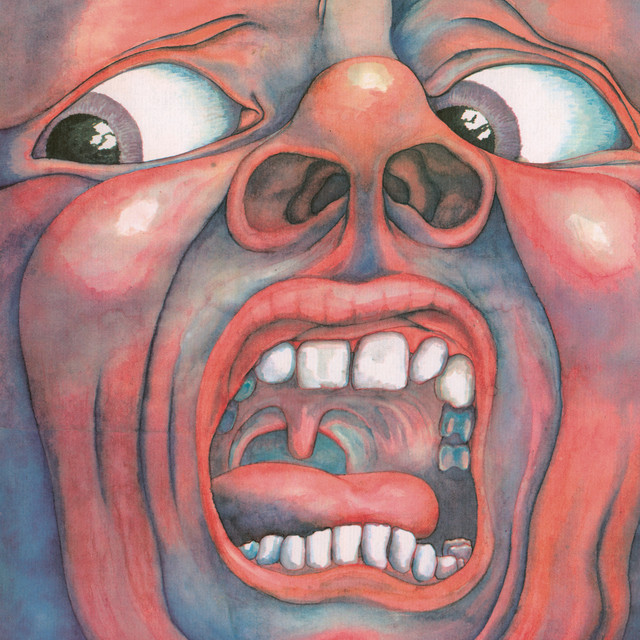
The Ethereal Wind
Released in 1969 on the landmark album In the Court of the Crimson King, King Crimson's "I Talk to the Wind" stands as a haunting exploration of nature and isolation. The song's delicate arrangement contrasts sharply with the heavier sounds emerging in the late '60s, reflecting a more introspective side of progressive rock. The wind motif serves as a metaphor for communication and the elusive nature of understanding.
Symbolism of the Wind
The wind, often viewed as a transient force, embodies the idea of thoughts and feelings that are just out of reach. The lyrics invite listeners into a dialogue with the elements, suggesting a yearning for connection. The line,
captures this beautifully, expressing a sense of frustration as well as hope."I talk to the wind, my words are all carried away"
Live Interpretations: A Transformative Experience
In live performances, King Crimson has taken this quiet, reflective piece and transformed it into a powerful experience. The band often stretches out the instrumental sections, allowing the music to breathe and evolve. Each interpretation brings a new layer, highlighting the fluidity of the wind. The improvisational nature of their live shows means that no two performances are alike, making the song an ever-changing dialogue.
A Sonic Contrast
While King Crimson is often associated with more aggressive sounds, "I Talk to the Wind" serves as a reminder of their versatility. The gentle flute and soft guitar create a stark contrast to the heavier tracks on the album. This dynamic range showcases the band's ability to evoke deep emotions through simplicity.
Interestingly, the song was originally written for Giles, Giles and Fripp, the band's precursor, but it found a perfect home in King Crimson's debut.
The Legacy of the Wind
As the years have passed, the song has remained a staple in King Crimson's repertoire. Each new performance adds to its legacy, making it a living piece of art. The wind motif continues to resonate with audiences, inviting them to reflect on their own lives and connections.
Conclusion: An Ongoing Dialogue
The significance of the wind motif in "I Talk to the Wind" lies in its duality—both a personal reflection and a universal theme. King Crimson's ability to reinterpret this song live ensures that it remains relevant, echoing the conversations we all have with the intangible forces around us.