Unpacking Young Love in Mexico
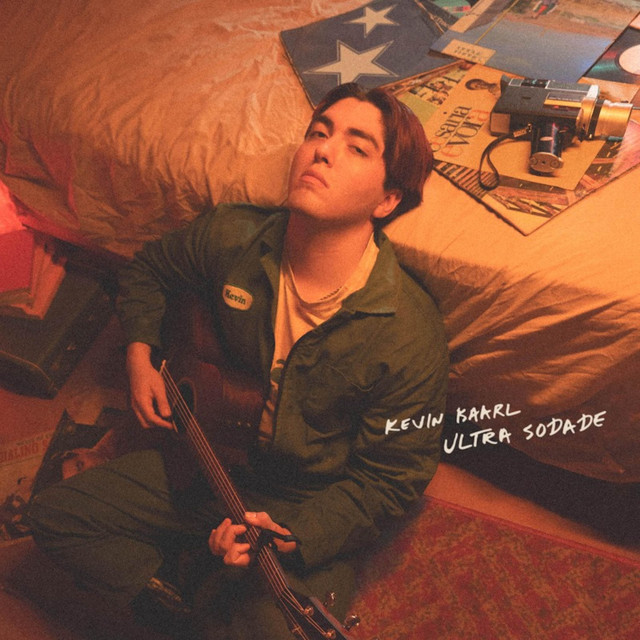
Kevin Kaarl's "no me culpes por sentir," taken from his 2021 EP "A dónde van los sueños," is more than just a romantic ballad; it is a raw reflection of the emotional turmoil that often accompanies young love in contemporary Mexico. The song blends lo-fi pop with folk elements, showcasing Kaarl's unique sound that has resonated with a generation longing for authenticity.
Lyrics that Speak Truths
The opening lines set the tone for the entire track. Kaarl's plea—"no me culpes por sentir"—translates to "don't blame me for feeling," a sentiment that captures the essence of vulnerability young lovers experience. In an era where emotional expression is often stigmatized, Kaarl's insistence on feeling deeply becomes a form of rebellion.
"No me culpes por sentir, porque no puedo evitarlo"
This line reflects a struggle familiar to many: the conflict between emotional honesty and societal expectations. Young people in Mexico often grapple with the pressures of familial and cultural norms that dictate what love should look like, and Kaarl's music provides a voice for those navigating this complex terrain.
The Cultural Context
In the backdrop of Kaarl's work lies a transformative time for Mexican youth. With the rise of social media and increased access to global influences, young Mexicans are redefining what love means. They are no longer confined to traditional narratives. Kaarl's music embodies this shift, showcasing a generation that is unafraid to explore their feelings openly.
Musical Influences and Production
The production of "no me culpes por sentir" is minimalist yet impactful, allowing Kaarl's voice to shine. The stripped-back instrumentation creates a sense of intimacy, pulling listeners into his world. This style is reminiscent of other contemporary Latin artists like Silvio Rodríguez and León Gieco, who also explore themes of love and longing through simple yet profound arrangements.
Contrasting Generational Perspectives
What makes Kaarl's song particularly compelling is its commentary on the generational divide in understanding love. While older generations may emphasize restraint and practicality in relationships, Kaarl's lyrics embrace emotional freedom. This generational clash is palpable in other recent hits from Latin artists, such as Karol G's "Si Antes Te Hubiera Conocido," which also explores the themes of heartbreak and longing, but through a more upbeat lens.
The Role of Emotional Expression
Kaarl’s willingness to express vulnerability stands in stark contrast to the pervasive machismo culture present in many Latin American societies. The line "no puedo evitarlo"—"I can’t help it"—serves as a reminder that love, in all its complexities, is an emotion that cannot be easily controlled. This acknowledgment is a crucial aspect of modern relationships, particularly among young people who face the dual pressures of romantic expectations and societal norms.
Youth Empowerment Through Music
Ultimately, "no me culpes por sentir" serves as an anthem for young love in Mexico. It empowers listeners to embrace their feelings rather than suppress them, creating a cultural moment where emotional honesty is celebrated. In a year where Shakira's "Las Mujeres Ya No Lloran" won Album of the Year, the conversation around emotional expression in music is more relevant than ever.
Kevin Kaarl's music has gained significant traction on platforms like TikTok, where young fans share their interpretations of his lyrics, further amplifying his reach.
Conclusion: A Voice for a New Generation
As Kaarl continues to carve out his space in the music industry, his reflective approach to themes of young love will likely resonate with listeners for years to come. "no me culpes por sentir" is a reminder that feeling deeply is not a flaw but a fundamental part of the human experience.