The Weight of Duality
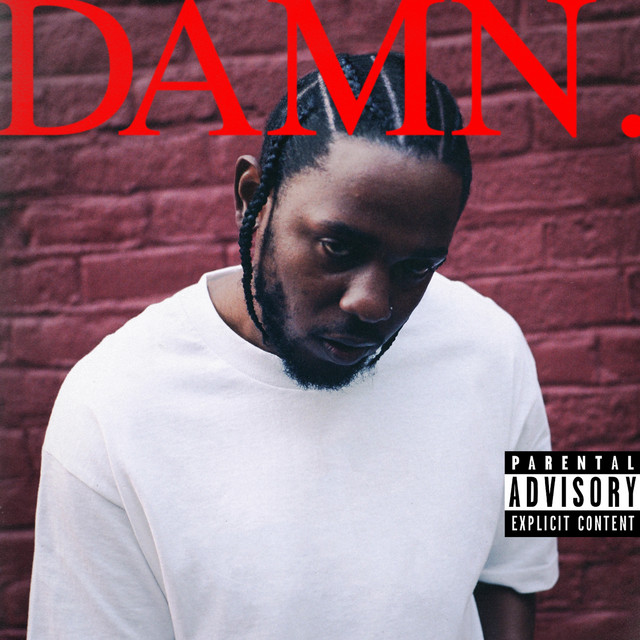
In "PRIDE.," Kendrick Lamar confronts the internal struggles that define his existence, oscillating between the sacred and the self-serving. This track, featured on his Pulitzer Prize-winning album Damn (2017), dives into the complexities of faith and ego—two forces that coexist uncomfortably within him. Lamar's candid exploration of these themes is not just personal; it's reflective of a broader societal struggle.
A Conflicted Soul
From the outset, Kendrick establishes a stark dichotomy. He states,
—a line that encapsulates the tension between his need for humility and the allure of self-importance. This admission serves as a mirror to the conflict many face in the public eye, especially when success shines a spotlight on ego."I can’t fake humble, I’m too pricy"
The production, characterized by its minimalist soundscape, reinforces this tension. The subdued instrumentals allow Kendrick’s voice to take center stage, emphasizing the weight of his words. It's a stark contrast to his earlier work where bravado often dominated the narrative.
Faith vs. Ego
Kendrick’s lyrics articulate a struggle that is both intimate and universal. He grapples with what it means to be righteous in a world that often rewards pride. Lines like
reveal his acknowledgment of imperfection, while also hinting at the cyclical nature of sin and redemption. This duality is a recurring theme in his discography, but here it feels particularly raw and unfiltered."I’m a sinner, who’s probably gonna sin again"
Did you know? "PRIDE." was produced by Sounwave, a frequent collaborator with Kendrick, known for his ability to create atmospheric beats that amplify lyrical introspection.
The Personal and the Political
The song also serves as a commentary on societal expectations and the pitfalls of fame. Lamar's introspection goes beyond personal failings; it critiques the culture of celebrity that often glorifies ego over integrity. He acknowledges that even in his pursuit of success, he risks losing sight of his moral compass.
Kendrick’s exploration of faith is layered. He references spiritual themes, suggesting that true humility is rooted in self-awareness and accountability. His assertion,
, succinctly captures the essence of the struggle: pride can lead one astray, clouding judgment and distorting values."Pride is the devil"
A Reflection of Humanity
Ultimately, "PRIDE." is not just a personal reflection; it’s a call to recognize the duality within all of us. Kendrick Lamar, through his introspective lens, invites listeners to confront their own battles with ego and faith. In a world that often rewards pride, his narrative urges a return to humility and self-awareness.
As he grapples with these themes, Kendrick’s artistry transcends mere entertainment. He crafts a narrative that resonates with anyone who has faced the complexities of identity in the face of external expectations. In the end, "PRIDE." serves as a reminder that the fight between faith and ego is a deeply human experience, one that shapes our choices and defines our paths.