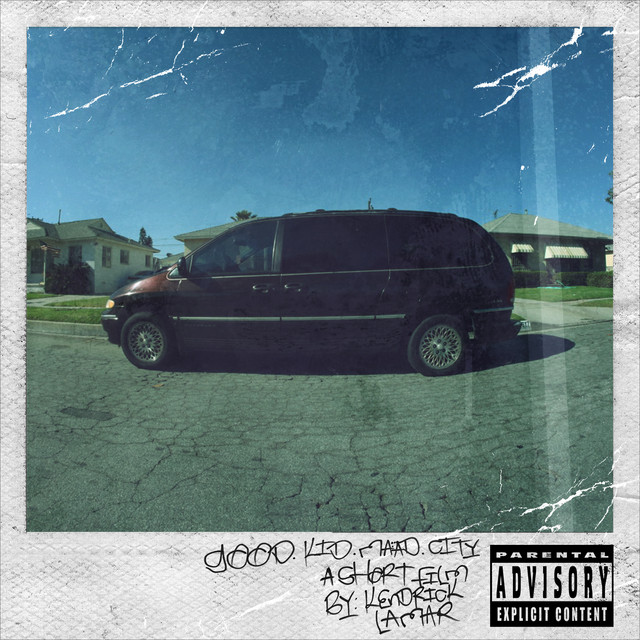
The Power of Storytelling in 'good kid'
Kendrick Lamar's second studio album, good kid, m.A.A.d city, released in 2012, is more than just a collection of tracks; it's a vivid narrative steeped in the complexities of growing up in Compton. The album unfolds like a cinematic experience, with Lamar's storytelling prowess at its core, echoing the rich legacy of African American oral traditions.
Connecting to Oral Traditions
Oral traditions have long served as a medium for African Americans to share experiences, histories, and cultural values. From the blues to spoken word, these narratives are meant to be lived and felt. Lamar's approach in good kid mirrors this, as he invites listeners into his world through detailed anecdotes and character-driven stories.
"I’m a good kid, in a mad city"
This line serves as the album's thesis, encapsulating the dichotomy of innocence and chaos that defines Lamar's upbringing. He doesn't merely recount events; he immerses the audience in his reality, much like traditional storytellers who would use rhythm and repetition to engage listeners.
Vivid Characters and Real Experiences
Throughout good kid, Lamar introduces a cast of characters that populate his narrative, each representing different facets of life in Compton. The song “The Art of Peer Pressure” stands out as an example where he narrates a night out with friends, filled with the tension and excitement of youthful rebellion. The line,
serves as a reminder of the weight of expectation and the social dynamics at play."I can feel the pressure, I can feel the pressure"
Interweaving Themes of Identity
Lamar's storytelling is not just confined to personal experiences; it also taps into larger themes of identity and community. In tracks like “Sing About Me, I’m Dying of Thirst,” he reflects on legacy and mortality, channeling the spirit of oral traditions that emphasize the importance of remembering one's roots. The narrative seamlessly shifts from the perspective of a friend to that of his own, illustrating the interconnectedness of lives in his community.
The album's narrative structure is so compelling that it has been analyzed in academic circles, highlighting its significance in contemporary literature.
Soundscapes Enhancing the Narrative
The production on good kid, primarily helmed by Sounwave and Terrace Martin, complements Lamar's storytelling. The sonic landscape shifts fluidly, mirroring the emotional highs and lows of the narrative. The use of sound effects, such as the voicemail messages in “The Art of Peer Pressure,” further immerses listeners, creating a sense of realism rarely found in hip-hop.
Legacy of a Modern Storyteller
Kendrick Lamar stands as a modern-day griot, a storyteller who embodies the oral traditions of his ancestors while navigating the complexities of contemporary life. good kid, m.A.A.d city serves as a bridge between the past and present, illustrating how storytelling can transcend generations. In a world increasingly dominated by digital communication, Lamar’s work reminds us of the power of voice and narrative.
"You ain’t gotta worry, I’ll be back"
These words resonate not just in the context of the song but as a promise to his community and culture, ensuring that the stories of his people will continue to be told.