The Anthem of Self-Preservation
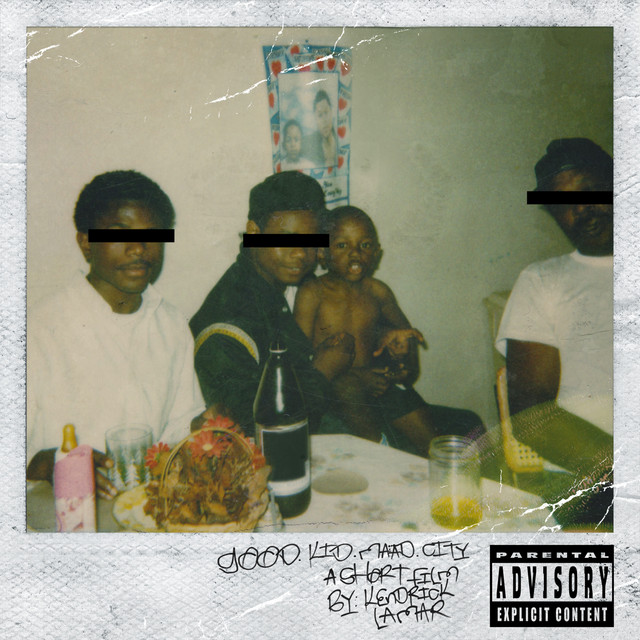
When Kendrick Lamar released "Bitch, Don’t Kill My Vibe" in 2012 as part of his critically acclaimed album Good Kid, M.A.A.D City, he didn’t just drop a track; he ignited a cultural conversation. This song became an anthem for self-preservation in the often toxic environments of both hip-hop culture and everyday life.
A Shift in Hip-Hop Discourse
In an era when bravado and machismo were the currency of hip-hop, Lamar introduced a nuanced perspective. The central message, encapsulated in the repeated refrain, is a declaration of autonomy and mental health awareness:
This line resonates as a powerful rejection of negativity and distraction, signaling a shift towards prioritizing mental well-being."Bitch, don’t kill my vibe."
Addressing Mental Health
As hip-hop artists began to explore vulnerability more openly, Lamar paved the way. His lyrics touch on the struggles of fame, societal expectations, and personal demons. The song serves as a reminder that mental health is not just an individual struggle but a community concern. By openly discussing his own experiences, Lamar invites listeners to confront their own issues.
The Production and Its Impact
Produced by Sounwave, the track blends smooth beats with a haunting melody, creating an atmosphere that mirrors the introspective nature of the lyrics. The production choice allows Lamar's message to shine through without the distraction of over-the-top instrumentation, ensuring that the focus remains on the lyrical content.
Legacy in the Hip-Hop Community
The impact of "Bitch, Don’t Kill My Vibe" extends beyond its chart success— it reached number 4 on the US Billboard Hot R&B/Hip-Hop Songs chart. It opened the door for artists like J. Cole and Chance the Rapper to express their vulnerabilities, further embedding the importance of mental health in hip-hop culture.
A Broader Conversation
Lamar's work has sparked discussions that extend beyond music. The rise of mental health awareness in hip-hop parallels growing societal recognition of the importance of mental wellness. The song's influence is palpable, encouraging both artists and fans to prioritize mental health over the pressures of success and societal expectations.
Conclusion: A Lasting Influence
Bitch, Don’t Kill My Vibe has transcended its status as a hit single; it has become a cultural touchstone. Kendrick Lamar's ability to address personal struggles while maintaining a sense of empowerment has left an indelible mark on hip-hop. As the genre continues to evolve, the conversations he sparked will remain essential to its narrative.
Kendrick Lamar's 'Bitch, Don't Kill My Vibe' was certified Gold by the RIAA in 2015, showcasing its commercial success and cultural significance.