The Rise of 'Dark Horse'
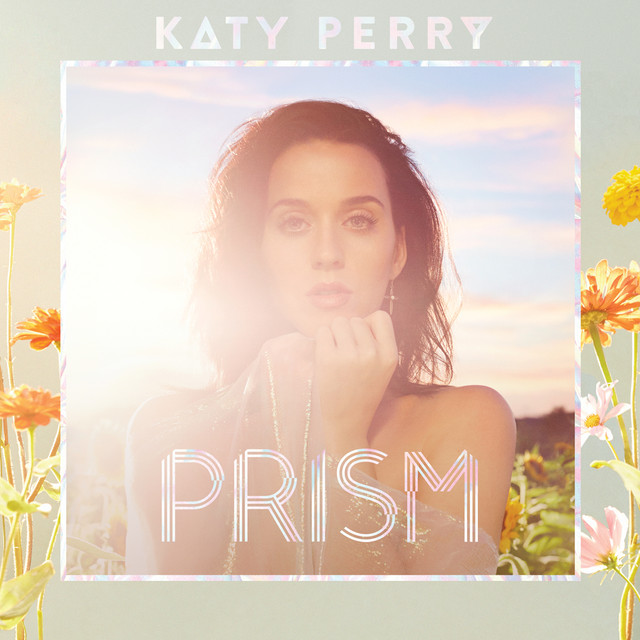
When Katy Perry dropped "Dark Horse" on September 17, 2013, few anticipated the seismic shift it would create in the pop landscape. The track, featuring rapper Juicy J, emerged as a standout from her album, Prism, which aimed to explore a slightly darker, more mature sound compared to her previous work.
Produced by Dr. Luke and Max Martin, "Dark Horse" effortlessly blended pop melodies with trap beats, a combination that was still nascent in mainstream music. This fusion was not merely an experiment; it was a calculated move that would influence countless artists in the years to follow.
Trap’s Mainstream Moment
By 2014, trap music had begun to permeate the mainstream, but Perry's approach was distinct. She didn’t just sprinkle a few hi-hats on top of a pop song; she integrated the genre's rhythmic complexity and lyrical bravado into a pop anthem. Juicy J's contribution provided the kind of street credibility that pop artists often lacked, and his verse delivered a gritty contrast to Perry's polished vocals.
"So you wanna play with magic? Boy, you should know what you falling for."
This line encapsulates the song's allure and danger, mirroring the risks inherent in crossing genres. Perry invites listeners into a world where pop’s brightness meets trap’s edge, creating something refreshing and provocative.
The Visual and Auditory Aesthetic
The music video further accentuated this genre-blending. With its Egyptian motifs and dark, mystical aesthetic, it matched the song's tone perfectly while also playing into the tropes of both pop and hip-hop. The visuals enhanced the listening experience, solidifying "Dark Horse" as a cultural moment.
Perry's decision to embrace trap was a significant departure from her earlier bubblegum pop sound. Songs like "Teenage Dream" were catchy and lighthearted, but "Dark Horse" showed a willingness to explore themes of power and seduction, which aligned well with the assertive nature of trap music.
Impact on Future Collaborations
The success of "Dark Horse" did not just mark a milestone for Perry; it paved the way for future collaborations between pop and hip-hop artists. It was a blueprint for how these genres could coexist, influencing artists like Ariana Grande and Dua Lipa, who would later incorporate similar sounds into their work.
Interesting fact: "Dark Horse" peaked at No. 1 on the Billboard Hot 100 and stayed there for four consecutive weeks, showcasing its massive appeal.
The track's commercial success highlighted a broader trend in the music industry — the blending of genres was not just a novelty but a necessity for staying relevant. As pop music continued to evolve, the lines separating it from hip-hop and trap became increasingly blurred.
A Lasting Legacy
Looking back, "Dark Horse" was more than just a hit; it was a cultural touchstone that signified a shift in how music could be approached. Perry’s bold experimentation with trap elements demonstrated that pop could thrive on complexity and authenticity.
As we moved into the latter half of the 2010s, the influence of "Dark Horse" became clear. It served as a precursor to the genre-blending phenomenon, encouraging artists to push boundaries and redefine their sound. Katy Perry not only bridged a gap but also set a precedent for future music trends.