The Birth of a Conflicted Artist
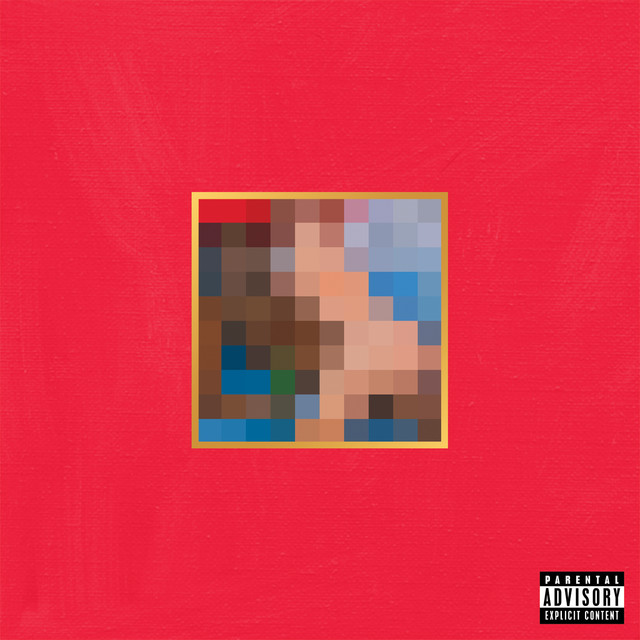
When Kanye West released "Runaway" as the lead single from his fifth studio album, My Beautiful Dark Twisted Fantasy, in 2010, he was already a polarizing figure in the music industry. The song, featuring Pusha T, is not just a musical endeavor; it's a confessional, a roadmap of West's psyche at a moment when he was grappling with public scrutiny and personal demons.
"Runaway" is a sonic and lyrical declaration of vulnerability, an admission that West is flawed. The opening piano line, haunting yet beautiful, sets the stage for this exploration. As the song progresses, it becomes clear that West is not merely addressing his critics but also confronting his own inner turmoil.
The Acknowledgment of Flaws
The chorus acts as a call to both himself and others:
Here, West acknowledges his shortcomings, painting himself as both a villain in the narrative and a man seeking redemption. This duality is critical to understanding his relationship with vulnerability."Let's have a toast for the douchebags / Let's have a toast for the assholes."
In a culture that often equates masculinity with stoicism, West’s willingness to admit his faults is revolutionary. He doesn't shy away from the title of "asshole"; instead, he embraces it, showcasing an emotional honesty that many artists shy away from. This is a stark contrast to the bravado often displayed in hip-hop.
The Emotional Climax
As the song builds towards its climax, the production escalates into a cacophony of distorted sounds, mirroring the chaos within West’s mind. The bridge, marked by a dissonant vocal performance, serves as a cathartic release. West’s voice, layered and fragmented, reflects his fractured state of being.
In this moment, vulnerability reaches its peak. West isn’t just expressing regret; he's pleading for understanding. This emotional rawness is what sets "Runaway" apart from conventional hip-hop tracks. It's a moment of clarity amid confusion, a snapshot of a man wrestling with his identity.
A Cultural Reflection
"Runaway" became a cultural touchstone, resonating with listeners who found solace in its honesty. At a time when mental health discussions were still emerging in popular discourse, West's candidness helped to destigmatize vulnerability. His refusal to hide behind bravado opened doors for conversations about mental health in the music industry.
Moreover, the accompanying short film, directed by West himself, further illustrates this vulnerability. The visuals bring to life the song's themes, with stunning imagery that complements the rawness of the lyrics. The phoenix rising from the ashes serves as a metaphor for rebirth, a concept that echoes throughout the album.
The Legacy of Vulnerability
Years later, the impact of "Runaway" endures. It stands as a testament to West's emotional evolution, marking a pivotal moment in his career where he embraced vulnerability as a strength rather than a weakness. In a genre often characterized by bravado and machismo, West’s willingness to explore his emotional landscape set a new precedent.
By the end of the track, listeners are left with the haunting refrain:
This line reaffirms his complex relationship with both vulnerability and self-assertion. It suggests that while he acknowledges his flaws, he also refuses to be defined by them."You can't tell me nothing."
The Unfinished Journey
As Kanye continues to evolve as an artist and individual, the themes explored in "Runaway" remain relevant. His journey with vulnerability is ongoing, marked by public struggles and artistic experimentation. Each new release adds another layer to his complex narrative.
Ultimately, "Runaway" is more than just a song; it's a declaration of self-acceptance and growth. In embracing his vulnerability, Kanye West invites us all to reflect on our own flaws and the beauty of human imperfection.
Interesting fact: "Runaway" was critically acclaimed and is often cited as one of the greatest songs of the 2010s, showcasing West's innovative approach to hip-hop.