A Reflection on Mortality
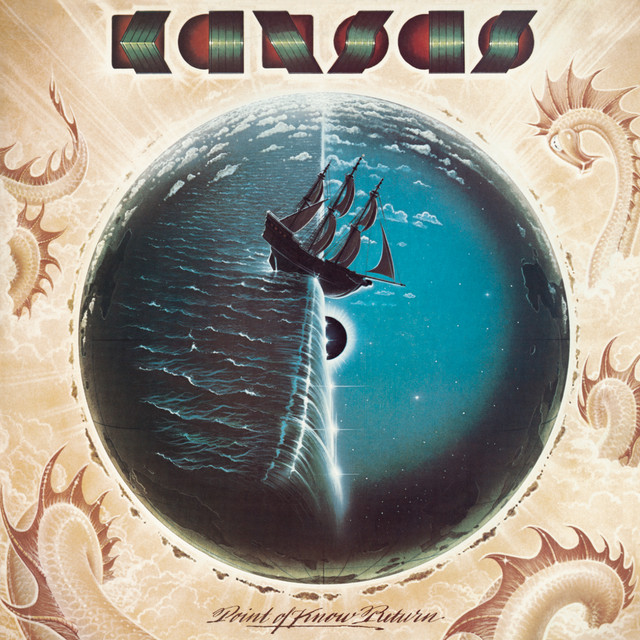
Released in 1977 on the album Point of Know Return, Kansas' "Dust in the Wind" stands as a poignant meditation on the ephemeral nature of life. Written by band member Kerry Livgren, the song is steeped in existential philosophy, urging listeners to confront the reality of their own mortality.
Influences of Eastern Philosophy
The lyrics reflect a deep understanding of impermanence, reminiscent of Buddhist teachings. The repeated line,
encapsulates the idea that material achievements are fleeting. This philosophical stance is not just somber; it invites a sense of liberation in acceptance."All we are is dust in the wind"
Western Philosophical Echoes
Livgren’s lyrics also draw from Western philosophical traditions. The Stoics, for example, emphasized the importance of understanding the limits of our existence. The song’s haunting melody complements the lyrical message, creating a space where listeners can reflect on their own lives and the legacy they wish to leave behind.
Musical Composition
Musically, "Dust in the Wind" strays from the band's typical progressive rock sound, opting instead for an acoustic arrangement that enhances its introspective quality. The gentle guitar strumming paired with Livgren’s soft vocals creates an atmosphere that feels both personal and universal.
Interestingly, the song was inspired by a simple acoustic guitar exercise Livgren was working on, showcasing how profound insights can arise from everyday moments.
Universal Appeal
The song's universal appeal lies in its simplicity and depth. While many rock anthems focus on the triumphs of life, "Dust in the Wind" dares to shine a light on the inevitable end we all face. It encourages listeners to think beyond the material and consider what truly matters.
Legacy and Impact
"Dust in the Wind" has transcended its era, often used in films and popular culture to underscore themes of loss and reflection. It serves as a reminder that while our time is limited, the thoughts and emotions we share with others can endure long after we are gone.
In a world obsessed with achievement and success, Kansas’ classic reminds us of the beauty in vulnerability and acceptance. The philosophical influences behind Livgren’s lyrics not only enrich the song but also challenge us to engage with the deeper aspects of our existence.