Fires of Icelandic Myth
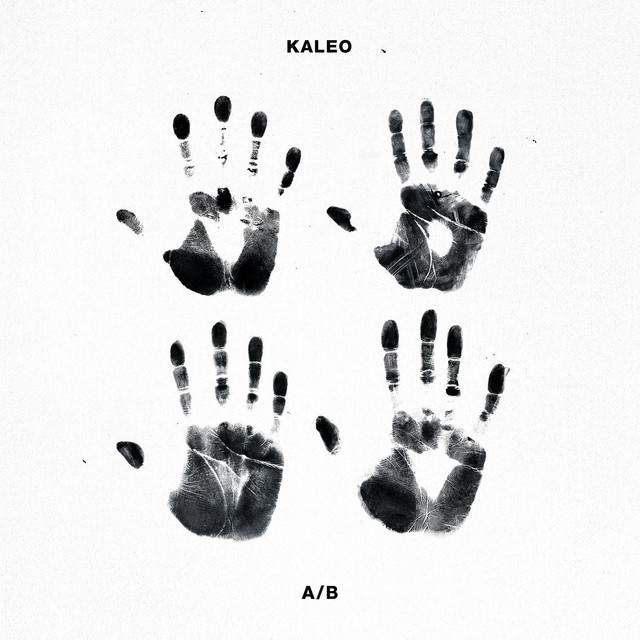
KALEO's "Hot Blood," from their 2016 album A/B, is a blistering blues rock anthem that captures raw emotion and intensity. But beneath the surface of its fiery lyrics lies a surprising connection to Icelandic folklore, a rich tapestry of myth and superstition that influences the band's artistic vision.
The band's lead vocalist, Jökull Júlíusson, often draws upon Iceland's natural beauty and cultural heritage in his songwriting. This is evident in "Hot Blood," where the imagery evokes the volcanic landscape of Iceland, a country shaped by the fiery forces of nature. The song's pulsating rhythm and electrifying guitar riffs mirror the volcanic eruptions that have long been a part of Iceland's identity.
"I got that hot blood, I got that fire..."
The line speaks to an innate vitality, a primal force that can be likened to the spirits in Icelandic folklore. The country is home to tales of hidden people, or elves, who inhabit the rugged landscapes, thriving in harmony with nature's raw power. The connection is not merely coincidental; it reflects a belief in the intertwining of human passion and the elemental forces that shape life in Iceland.
Elemental Connections
Icelandic folklore often personifies natural elements, attributing emotions and human-like characteristics to them. This idea is mirrored in KALEO’s music, where the themes of fire and elemental energy dominate. In "Hot Blood," the lyrics suggest a fierce, almost uncontrollable spirit, resonating with the Icelandic belief in the spirits of the land.
Júlíusson’s vocal delivery is visceral, channeling a connection to something greater than himself. The song's energy reflects the unpredictability of the Icelandic weather—often shifting from serene to stormy in an instant. The heat of "Hot Blood" serves as a metaphor for this volatility, a nod to the folklore that warns of the consequences of disturbing the natural order.
KALEO formed in Mosfellsbær, Iceland, in 2012, and quickly gained international recognition for their unique blend of blues rock and folk influences.
Folklore as Inspiration
While many artists draw upon personal experiences and emotions, KALEO’s grounding in folklore gives their music a broader context. The connection to Icelandic myths serves as a lens through which we can interpret songs like "Hot Blood." The heat and fervor expressed in the lyrics can be seen as a reflection of ancient tales of fire giants and the chaos they could unleash.
Furthermore, the concept of fire in folklore often symbolizes both destruction and creation. It aligns with the duality present in "Hot Blood," where passion can lead to both empowerment and turmoil. The line "I got that hot blood, I got that fire" serves as a rallying cry, embracing the chaos and energy of life, while also hinting at the potential consequences of such intensity.
Modern Echoes of Ancient Stories
KALEO’s ability to weave these ancient narratives into contemporary music speaks to the universality of their themes. The band transforms traditional folklore into modern anthems that resonate with listeners around the world. In "Hot Blood," they encapsulate a feeling that transcends time and place, grounded in Iceland’s storied past.
The volcanic imagery found in both the song and the folklore is particularly striking. Iceland’s geological activity is a constant reminder of the power within the earth, much like the emotional turbulence expressed in the music. This connection to the land solidifies KALEO’s identity as not just a band, but as storytellers who channel the spirit of their homeland.
Conclusion: A Living Tradition
In blending the raw emotion of blues rock with the deep-rooted traditions of Icelandic folklore, KALEO creates a sound that is both familiar and extraordinary. "Hot Blood" is more than just a song; it’s an exploration of identity, heritage, and the elemental forces that shape our lives.
As listeners, we are invited to feel the heat of passion and the chill of the unknown, reminding us that music, like folklore, is a living tradition—one that evolves while staying connected to its origins.