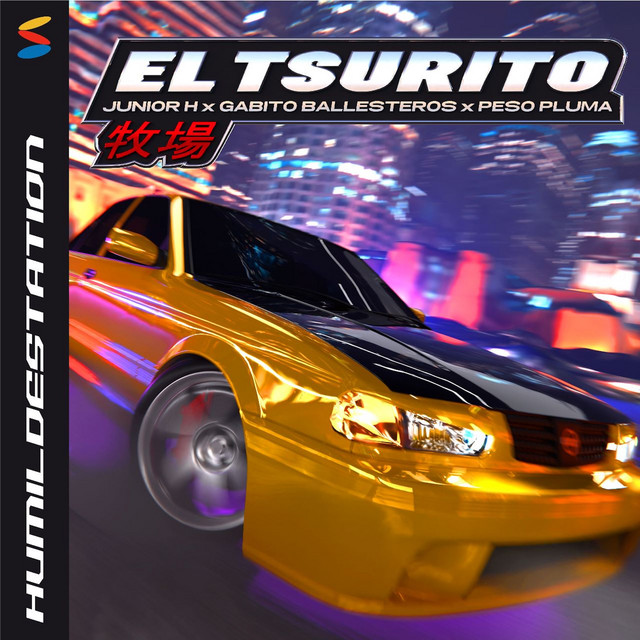
El Tsurito
by Junior H
Summary
"El Tsurito" by Junior H dives into the life of street hustlers, balancing danger and camaraderie. It paints a vivid picture of their world, where loyalty and survival are key themes.
Full Analysis
The song gives us a glimpse into a lifestyle filled with risks and brotherhood. Junior H captures the essence of living on the edge, where every moment counts. The language is raw and real, making listeners feel the urgency and excitement. There’s a sense of loyalty among friends, but also the constant threat of violence and betrayal. It’s a ride through a world that many might only see from the outside.
Verse 1
Fierro
Primo, bájese ya del Tsurito
Compa Junior
Compa Peso, dice
¡Uh!, yayay
In this opening, Junior H sets the tone right away. The use of “Fierro” is a nod to strength and toughness. He’s addressing his friends, telling them to get down from the Tsurito, which hints at being in a risky situation. It feels like a call to action, suggesting something important is about to happen. The excitement is palpable, especially with the playful interjections like “¡Uh!, yayay,” which add energy to the scene.
Chorus
Primo, bájese ya del Tsurito
Ya se chingó mucho ese polvito bendito pa la nariz
La misión tiene que cumplir, ya va repleto de valor
The chorus reinforces the urgency of their mission. The mention of “polvito bendito” hints at drug use, showing how deeply intertwined that lifestyle is with their reality. It’s about completing a mission and having the courage to face whatever comes next. It’s a rallying cry, urging everyone to stay focused and brave, which speaks to the strong bond between these friends.
Verse 2
No tenga miedo
Viejo, es pa que ya no tiemble el dedo
Trucha por si ve algún movimiento, nos tenemos que pelar
Escuche el radio bien, mi apá, y en cuanto deje de tronar
Pegamos fuga
In this verse, there’s a blend of camaraderie and caution. The speaker reassures his friend not to be scared, indicating that they’re in a high-stakes situation. “Tiemble el dedo” suggests the pressure of having to act quickly, and being “trucha” (alert) emphasizes the need for vigilance. The mention of the radio adds a layer of urgency, hinting that they’re waiting for a signal to escape. It captures the thrill and fear of their dangerous lifestyle.
Chorus
Los santos nunca me dan la espalda
Le di un beso a los collares y el cuernito me tercié
Los del AK me vocearon fuertemente
Here, the chorus shifts to reflect a deeper connection to faith and protection. The “santos” represent a belief in something greater, providing comfort in their risky lives. The imagery of kissing the “collares” and carrying a weapon hints at a blend of spirituality and the reality of their world. It’s a reminder that while they’re living dangerously, they still seek some form of divine protection.
Verse 3
Parecía dulcería
Marinela nos caían
Y las balas como dulces
Van a volar en contra mía, yayay, ¡uh!
In this verse, the imagery is striking. Comparing bullets to candy creates a bizarre contrast, suggesting that violence is an everyday occurrence for them. The excitement of it all is almost surreal, as if danger has become commonplace. The playful tone is a stark reminder of how they cope with their harsh reality through humor and bravado.
Chorus
Vámonos compa Junior, compa Peso
Ahí va compa Gabito, ayayay
Qué siga la mata dando viejo, doble P
This chorus emphasizes the bond between friends as they prepare to face challenges together. The repeated calls to “vámonos” show their readiness to act. The phrase “qué siga la mata dando” reflects a carefree attitude, suggesting they’re willing to keep going despite the risks. It’s about living in the moment, and enjoying the thrill of the ride.
Verse 4
¿Cuánto quiere pa que me quite este circo?
Que aquí hay huevos, aquí hay feria del perico
Ya se nos va por ahí
No me pesa pa' picharles a sus ratas desechables y la ropa
In this verse, there’s a negotiation happening, reflecting the transactional nature of their world. The mention of “feria del perico” (money from drugs) makes it clear that this life is all about hustle. There’s a sense of bravado as they talk about not being afraid to confront their enemies. It highlights the tough persona they’ve built to survive in a harsh environment.
Chorus
Hay cuernos, piñas, lanza papas, hay Bufet
Usted diga si hacemos las cosas bien
No tenemos que pelear
This chorus dives deeper into their dealings. Mentioning weapons and the idea of negotiating shows they’re not just mindless fighters; they’re strategic. The plea for cooperation instead of fighting hints at a desire for peace among chaos. It’s a reminder that survival often means working together, even in a dangerous world.
Bridge
El sargento dijo: "la gente de huevos
La neta, mi chavalón, con esos me gusta pelear
Y qué gusto sepa somos de los mismos
Nomás que si le doy power, nos tenemos que arreglar"
In the bridge, the speaker reflects on what it means to be tough. The “sargento” emphasizes respect and camaraderie among those who are brave. There’s a celebration of strength in numbers, pointing out that they share a common bond. The mention of needing to “arreglar” (fix things) suggests that conflicts are inevitable, but there’s a hope for resolution.
Chorus
Parecía dulcería
Marinela nos caían
Y las balas como dulces
Van a volar en contra mía
Quiero hablar con el encargado
Porque aquí no se ve el diablo
This repetition of the earlier chorus brings back that vivid imagery of violence in a light-hearted way. The call to speak with someone in charge hints at a longing for order in their chaotic lives. It’s almost a plea for understanding amidst the madness, showing that they want their lives to mean something more than just survival.
Outro
Uh, qué suene bonito, viejo
Compa Cochi, compa René, ayayay
Así nomás, fierro, se fue
The outro wraps things up with a sense of camaraderie and celebration. The phrase “qué suene bonito” suggests appreciating the moment, despite everything. It’s a farewell of sorts, emphasizing the bonds formed through shared experiences. The last line is almost a nod to the ongoing nature of their lives, suggesting that the cycle continues.
Closing Thoughts
"El Tsurito" is a powerful exploration of street life, filled with danger, loyalty, and a bit of humor. Junior H paints a vivid picture of his world, making listeners feel the thrill and the risks involved. It’s about survival, friendship, and the complex emotions that come with living on the edge. The song captures the essence of a lifestyle that many may never experience but can understand through the lyrics.
Full Lyrics
▼
Primo, bájese ya del Tsurito
Compa Junior
Compa Peso, dice
¡Uh!, yayay
Primo, bájese ya del Tsurito
Ya se chingó mucho ese polvito bendito pa la nariz
La misión tiene que cumplir, ya va repleto de valor
No tenga miedo
Viejo, es pa que ya no tiemble el dedo
Trucha por si ve algún movimiento, nos tenemos que pelar
Escuche el radio bien, mi apá, y en cuanto deje de tronar
Pegamos fuga
Los santos nunca me dan la espalda
Le di un beso a los collares y el cuernito me tercié
Los del AK me vocearon fuertemente
Dije: "ustedes no se asusten, la neta traemos con qué"
Parecía dulcería
Marinela nos caían
Y las balas como dulces
Van a volar en contra mía, yayay, ¡uh!
Vámonos compa Junior, compa Peso
Ahí va compa Gabito, ayayay
Qué siga la mata dando viejo, doble P
¡Qué truene, qué truene, viejo!
¿Cuánto quiere pa que me quite este circo?
Que aquí hay huevos, aquí hay feria del perico
Ya se nos va por ahí
No me pesa pa' picharles a sus ratas desechables y la ropa
Hay cuernos, piñas, lanza papas, hay Bufet
Usted diga si hacemos las cosas bien
No tenemos que pelear
Yo lo ayudo, usted me ayuda, y si le gusta lo simple no me sirve
El sargento dijo: "la gente de huevos
La neta, mi chavalón, con esos me gusta pelear
Y qué gusto sepa somos de los mismos
Nomás que si le doy power, nos tenemos que arreglar"
Parecía dulcería
Marinela nos caían
Y las balas como dulces
Van a volar en contra mia
Quiero hablar con el encargado
Porque aquí no se ve el diablo
Uh, qué suene bonito, viejo
Compa Cochi, compa René, ayayay
Así nomás, fierro, se fue