A New Voice in Pop
When Julia Michaels released her debut single "Issues" in 2017, the pop landscape was already saturated with songs that flirted with themes of love and heartbreak. Yet, amidst the glittering production and catchy hooks, Michaels dared to tackle a subject that had long been relegated to hushed whispers—mental health.
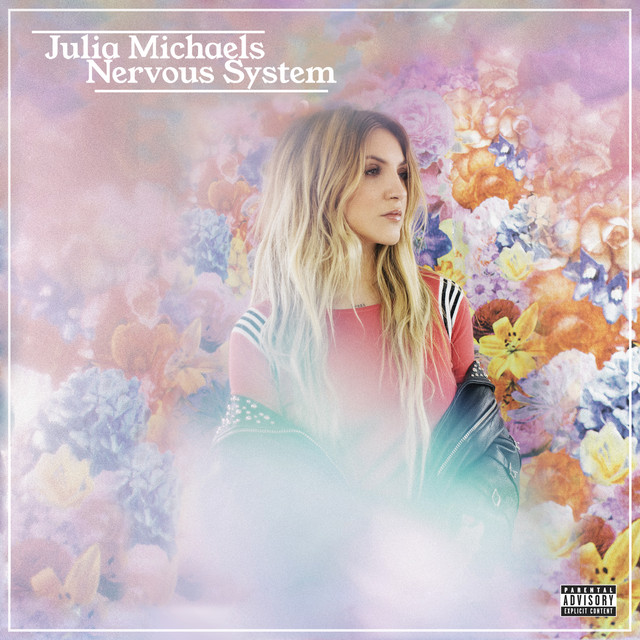
"Issues" is not just a catchy pop song; it’s an anthem for anyone grappling with their inner demons. The track, which appears on her EP Nervous System, co-written with fellow songwriter Justin Tranter, deftly navigates the complexities of self-acceptance and emotional vulnerability.
Breaking the Silence
Michaels’ candidness about her struggles set a new precedent in mainstream music. Lines like
reveal a raw honesty that many artists shy away from. By openly discussing her flaws and mental health challenges, she invited listeners into a dialogue that is often avoided in pop culture."'Cause I got issues, but you got 'em too"
The song's relatability is its strength. It acknowledges that everyone has their own battles, making it easier for listeners to confront their own issues. This collective experience resonates in a way that is both refreshing and liberating, especially in a genre that has often prioritized polished narratives over authenticity.
Impact on Pop Music
Before "Issues," discussions around mental health in pop music were often limited to vague allusions or metaphors, tucked away behind euphemisms. Michaels’ straightforward approach not only personalized her struggles but also encouraged other artists to follow suit. The impact of her lyrics has rippled through the industry, inspiring a wave of pop songs that tackle mental health more directly.
Artists like Halsey, Logic, and Billie Eilish have continued this trend, using their platforms to shed light on issues ranging from anxiety to depression. Michaels’ influence is evident in their work, signifying a cultural shift where vulnerability is celebrated rather than stigmatized.
The Power of Vulnerability
The production of "Issues," with its minimalistic approach and heartfelt delivery, complements the lyrical content beautifully. The song doesn’t rely on flashy beats or over-the-top instrumentation; instead, it puts Michaels’ voice at the forefront, allowing her message to shine through. This choice reflects the essence of the song—an unguarded confession rather than an elaborate performance.
Moreover, the line
captures the push and pull of relationships affected by mental health challenges. It encapsulates the fear of vulnerability while simultaneously expressing a deep longing for connection. Michaels shows that being open about one's struggles does not detract from one’s worth; rather, it enhances it."I can't leave you, but the way you got me, I don't know"
A Broader Conversation
Since the release of "Issues," the conversation around mental health in pop music has expanded significantly. The song has transcended its status as a catchy hit to become a cultural touchstone, particularly among younger audiences. Michaels has become a voice not just for herself, but for a generation that is increasingly willing to confront its mental health issues.
Julia Michaels has received six Grammy Award nominations, underscoring her impact on music and culture.
With her candidness, Michaels has not only broken down barriers but has also empowered her listeners. The song has become a rallying cry for mental health awareness, reminding us that we are not alone in our struggles. This message is particularly powerful in an age where social media often presents an idealized version of life.
Legacy of 'Issues'
Ultimately, "Issues" stands as a significant milestone in pop music, one that reshaped how artists discuss mental health. Julia Michaels has proven that honesty can be both commercially viable and artistically rewarding. Her song has paved the way for a more open dialogue in the industry, encouraging artists to embrace their vulnerabilities rather than hide them.
As pop music continues to evolve, one can only hope that the legacy of "Issues" will inspire future artists to be brave in their storytelling. In a world where mental health remains a critical issue, Michaels’ willingness to speak out has opened doors to a more compassionate and understanding musical landscape.