The Gritty Reality Behind a Metal Anthem
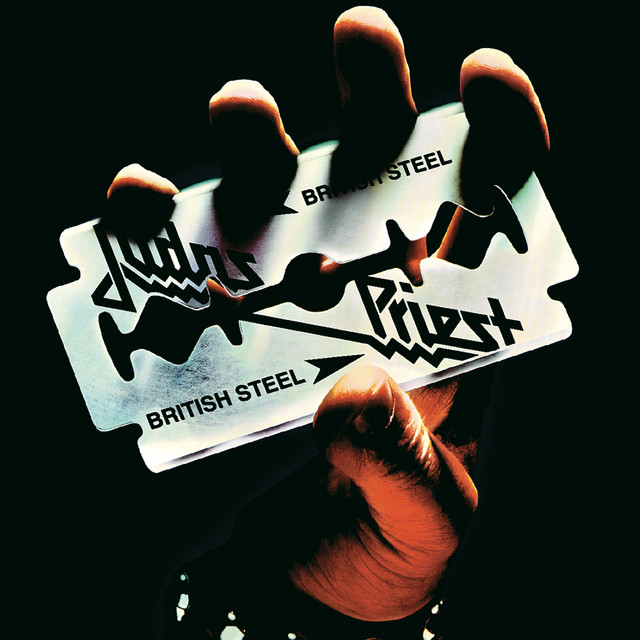
When Judas Priest released "Breaking the Law" in 1980 on their groundbreaking album British Steel, few could have anticipated its lasting impact on heavy metal culture. The song, with its driving riffs and anthemic chorus, quickly became a staple of the genre. Yet beneath the electrifying sound lies a narrative steeped in social commentary that reflects the frustrations of an entire generation.
A Voice of Rebellion
Halford and his bandmates penned this track during a period of significant socio-economic struggle in the UK. The late 1970s and early 1980s were marked by industrial decline and rising unemployment, especially in working-class neighborhoods. This context shapes the song's powerful theme of rebellion against oppressive systems.
"Breaking the law, breaking the law"
These repeated lines serve as a rallying cry for those feeling trapped by their circumstances. The simplicity of the lyrics belies the complexity of the emotions involved—frustration, desperation, and ultimately, defiance.
Musical Innovation
Beyond the lyrics, the sound of "Breaking the Law" was revolutionary. Produced by Tom Allom, the track features a distinctive guitar riff, often credited as one of the most recognizable in rock history. The raw energy of the song perfectly encapsulates the spirit of the era, fusing the aggression of punk with the melodic structures of classic rock.
Did you know? "Breaking the Law" was one of the first songs to feature a synthesizer in a heavy metal context, showcasing Priest's willingness to experiment with new sounds.
The Music Video Connection
The accompanying music video further solidified the song's legacy. Released during the dawn of MTV, it presented a gritty narrative of a man on the brink of despair, driven to crime as a means of escape. The visuals amplified the song's themes, illustrating the dark realities faced by many at the time.
Legacy and Influence
Over the decades, "Breaking the Law" has transcended its initial context, becoming an anthem for countless movements and causes. Its influence can be seen in the works of countless artists who draw from the same vein of rebellion. Metallica, for instance, has often cited Priest as a major influence, with their own tracks echoing the sentiments of struggle and resistance.
Even in modern times, the song continues to resonate. Its raw energy and poignant critique of societal constraints make it a timeless piece that still echoes the frustrations of today's youth.
A Closer Look at the Lyrics
While the chorus might seem straightforward, the verses delve deeper into the psyche of someone who feels powerless. Lines that discuss the feeling of being driven to extremes reveal the emotional weight behind the aggression. The music captures a sense of urgency that mirrors the lyrics' call to action.
"You don't know what it's like to be me"
This line encapsulates the isolation many feel in their struggles, making the song a cathartic experience for listeners who identify with its message.
The Continuing Relevance
As we revisit "Breaking the Law," it’s clear that its themes remain relevant. The ongoing issues of economic disparity and social injustice echo the sentiments expressed in the lyrics. The song is more than just a heavy metal classic; it’s a reminder of the power of music to reflect and critique the world around us.
Judas Priest may have crafted a song that rocks hard, but they also tapped into a deeper narrative that speaks to the heart of societal struggle. In a world where frustration often leads to apathy, "Breaking the Law" reminds us to channel that energy into rebellion—an anthem for the ages.