A Call to Action
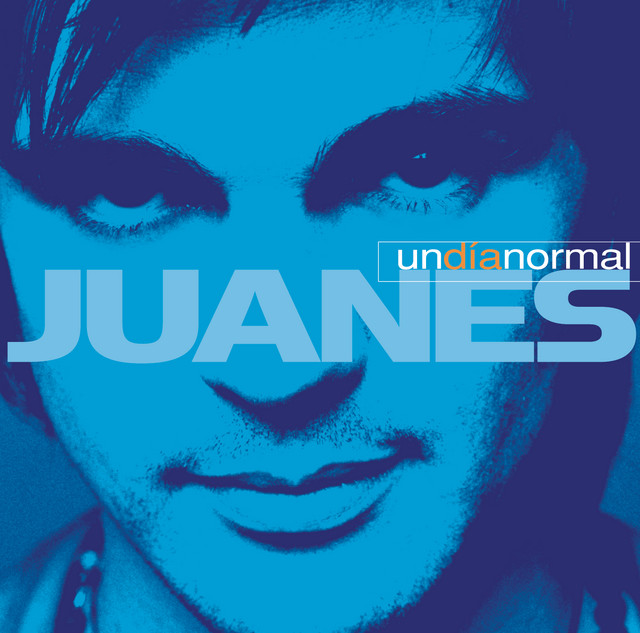
When Juanes released "A Dios Le Pido" in 2002 as the lead single from his album Un Día Normal, few could have predicted the song would evolve into a modern-day anthem for social justice in Latin America. The track, blending rock with traditional Latin sounds, resonates with the spirit of its time, capturing the hopes and frustrations of a generation.
A Prayer for Change
At its core, "A Dios Le Pido" expresses a deep yearning for peace and justice. Its lyrics convey a heartfelt plea to God for a better future, echoing the sentiments of communities grappling with political turmoil and social inequality. Lines like
("That my people suffer no more") articulate a longing for liberation and justice that is all too familiar in a region marked by strife."Que mi pueblo no sufra más"
Contextual Relevance
As Latin America faces ongoing challenges—corruption, violence, and economic disparity—Juanes's lyrics provide a soundtrack to the activism and struggles of countless individuals. Songs like this capture the collective pain and resilience of people fighting for their rights. The urgency in his voice resonates with movements advocating for social change, making the song a staple at protests and gatherings across the continent.
Musical Elements
Produced by Juanes and co-produced by the acclaimed musician Gustavo Santaolalla, the song features a fusion of rock and Colombian folk rhythms, making it accessible while still deeply rooted in cultural identity. This musical blend not only appeals to a wide audience but also symbolizes the unity of diverse voices rallying for justice.
Impact and Legacy
Winning the Latin Grammy for Best Rock Song, "A Dios Le Pido" has transcended its initial commercial success, becoming a cultural touchstone. It has been covered by numerous artists and remains relevant in discussions about social issues. Its enduring popularity highlights the power of music as a tool for advocacy.
A Voice for the Voiceless
Juanes’s commitment to social justice extends beyond his music. He has actively participated in humanitarian efforts, using his platform to speak out on issues affecting Latin America. By intertwining his artistry with activism, he embodies the message of his song: that change is possible and worth fighting for.
The Future of Social Justice in Music
As we look to the future, the themes in "A Dios Le Pido" remain as relevant as ever. With ongoing struggles against systemic injustice, the song serves as a reminder of the power of collective hope and action. In a time when music can galvanize movements, Juanes's anthem stands tall as a beacon of resilience.
Juanes received three Latin Grammy nominations for "A Dios Le Pido," winning Best Rock Song in 2003, solidifying its impact in the music industry.