Unmasking the Farsante
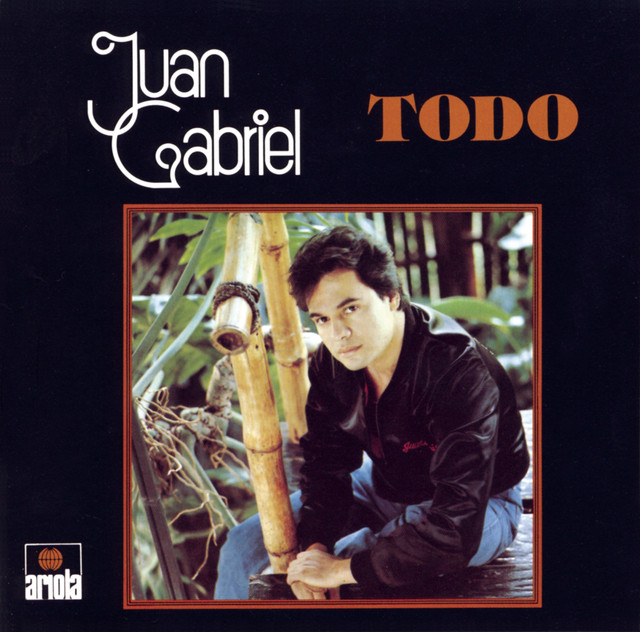
In the world of Latin pop, few artists have captured the nuances of human emotion like Juan Gabriel. His song "La Farsante," from the album Todo Es Diferente (1985), lays bare the layers of deceit and vulnerability in a woman's life. The titular character is not merely a one-dimensional figure; she is a complex individual grappling with her choices and societal expectations.
The song opens with a stark admission of betrayal:
. This line sets the tone for a narrative that explores the fragility of identity and love. The protagonist is not just a deceiver; she is a woman trapped in her own façade, reflecting a deeper commentary on the roles women are often forced to play."Soy una farsante, que no sabe amar"
Women as Reflections of Society
Juan Gabriel's treatment of female characters extends beyond "La Farsante." In tracks like "Costumbres" and "Pero Qué Necesidad," he delves into the emotional turmoil faced by women in love.
From these lines, it's clear that his women are not defined solely by their relationships with men but are portrayed as individuals with desires and regrets."Quisiera que tú supieras, lo que siento por ti"
In "En Esta Primavera," he captures the fleeting nature of love and the inevitable changes that accompany it. The vibrant imagery of spring serves as a metaphor for rebirth but also highlights the transience of happiness, particularly for women navigating the complexities of romance.
Intersection of Pain and Empowerment
Tracks like "Te Sigo Amando" and "Yo No Sé Qué Me Pasó" showcase the internal struggles women endure in the name of love. Juan Gabriel's lyrics often reflect an understanding of the power dynamics at play. In a world rife with expectation, his female characters balance between vulnerability and resilience.
In "Debo Hacerlo," he articulates the pressures women face in their pursuit of love, indicating that sometimes, they must sacrifice their own happiness to fulfill others' needs. The duality of strength and fragility is a recurring theme, revealing how women navigate their realities while yearning for acceptance.
Authenticity and the Role of the Farsante
What sets "La Farsante" apart is its raw authenticity. Unlike many pop songs that glamorize love and relationships, Juan Gabriel's work invites listeners to confront the uncomfortable truths about identity and self-deception. This nuanced portrayal of women is a hallmark of his artistry, making him a revolutionary figure in Latin music.
His ability to convey the internal conflicts of women transcends mere storytelling; it offers a lens through which to view the societal pressures that shape their identities. In a genre often criticized for surface-level representations, Juan Gabriel’s music stands as a testament to the complexity of the human experience.
A Legacy of Empowerment
Despite the heartache woven throughout his discography, Juan Gabriel's portrayal of women is ultimately empowering. By acknowledging their struggles, he elevates their stories, allowing them to resonate with anyone who has felt the weight of expectation. His music serves as a reminder that women are not just subjects of narrative but protagonists in their own right.
Juan Gabriel, known as the "King of Latin Pop," sold over 100 million records worldwide, cementing his legacy as a pioneering artist.
In a world that often underrepresents female complexity, Juan Gabriel's work remains a profound exploration of love, loss, and identity. His ability to craft narratives that reflect the multifaceted nature of women ensures that his music will continue to inspire future generations.