From Jazz to Soul: The Early Years
Born Autry DeWalt in 1931, Jr. Walker’s musical journey began in the vibrant jazz scenes of Indiana. He played saxophone, a choice that would ultimately shape his sound. By the time he formed Jr. Walker & The All Stars in the early 1960s, he had already honed his craft within the jazz tradition but was ready to embrace the more commercial rhythms of rhythm and blues.
Walker’s transition into Motown was not simply a career move; it was a reflection of the evolving landscape of American music. He was drawn to the emerging sounds of soul and pop, which resonated with a broader audience. In 1965, his hit single “Shotgun” would catapult him into the Motown spotlight, blending his jazz roots with the infectious energy of soul.
“Shotgun”: A Revolutionary Sound
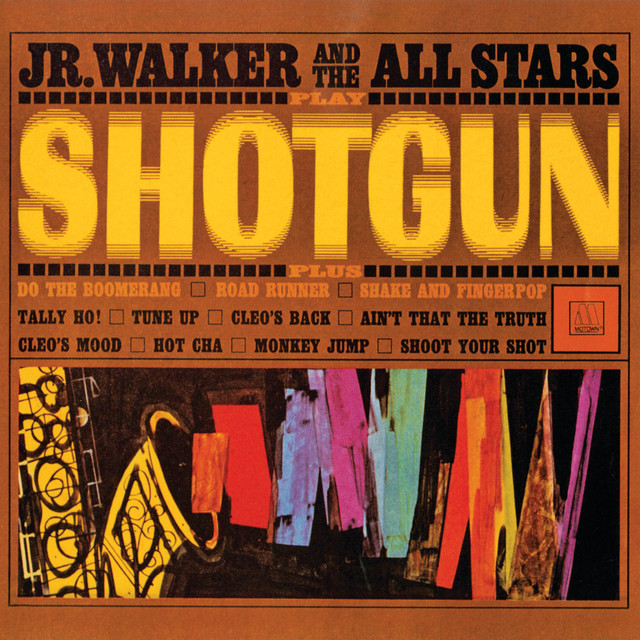
Released in 1965 as part of the album of the same name, “Shotgun” captured the essence of Walker’s unique sound. The track is driven by an upbeat rhythm, showcasing Walker’s saxophone prowess while blending in a groove that was unmistakably Motown. Produced by the legendary Motown team, including the likes of Mickey Stevenson, the song's infectious energy made it an instant classic.
“Oh, you can’t be too cool, you’ve got to jump and shout.”
These lyrics encapsulate the song's infectious spirit, urging listeners to let loose. It’s a call to dance, a reflection of the liberation that music provided in the 1960s. Walker’s ability to marry sophisticated jazz techniques with the raw energy of soul was groundbreaking, and “Shotgun” stands as a testament to that fusion.
The Legacy of “Shotgun”
“Shotgun” became a defining moment for Jr. Walker & The All Stars, reaching number four on the Billboard Hot 100. The song not only solidified their place in Motown history but also paved the way for future generations of musicians. In 1995, the Rhythm and Blues Foundation recognized Walker's contributions to music, and in 2002, “Shotgun” was inducted into the Grammy Hall of Fame, further cementing its status as a classic.
Jr. Walker & The All Stars were inducted into the Rhythm and Blues Music Hall of Fame in 2015, celebrating their enduring impact on the genre.
Walker’s journey reflects the transformative power of music. While he started as a jazz musician, his ability to adapt and innovate allowed him to thrive in the ever-changing world of Motown. The success of “Shotgun” was not just a personal victory; it was a victory for all artists who dared to break boundaries.
Conclusion: A Lasting Influence
Jr. Walker’s evolution from jazz to soul exemplifies the fluidity of musical genres. “Shotgun” remains a vibrant reminder of the power of blending styles and the magic that can happen when an artist stays true to their roots while embracing new influences. As we celebrate Walker's legacy, we acknowledge not just a song, but a movement that continues to inspire artists today.