The Sound of Freedom
When Junior Walker & The All Stars released "(I'm A) Road Runner" in 1966, the song didn’t just echo through the halls of the R&B charts; it became a vibrant anthem of freedom during a transformative time in American history. The Civil Rights Movement was reaching its peak, and the quest for personal and social liberation was palpable in the air. Walker's energetic delivery and the song's catchy groove encapsulated the urgency of that moment.
The Imagery of the Road Runner
In the song, Walker declares,
This line is more than just a catchy hook; it serves as a metaphor for breaking free from societal constraints. The imagery of the road runner, a creature known for its speed and agility, resonated with the aspirations of a generation seeking to outrun oppression and achieve equality."I'm a road runner, baby, and you can't keep up with me."
A Cultural Movement
By the mid-1960s, the Civil Rights Movement had galvanized many African Americans and their allies to demand an end to segregation and discrimination. Music became a crucial vehicle for expressing these sentiments. Walker's upbeat sound and engaging stage presence provided an exhilarating escape from the harsh realities of life during that era. The song's infectious rhythm and Walker's saxophone prowess encouraged listeners to dance, a form of liberation in itself.
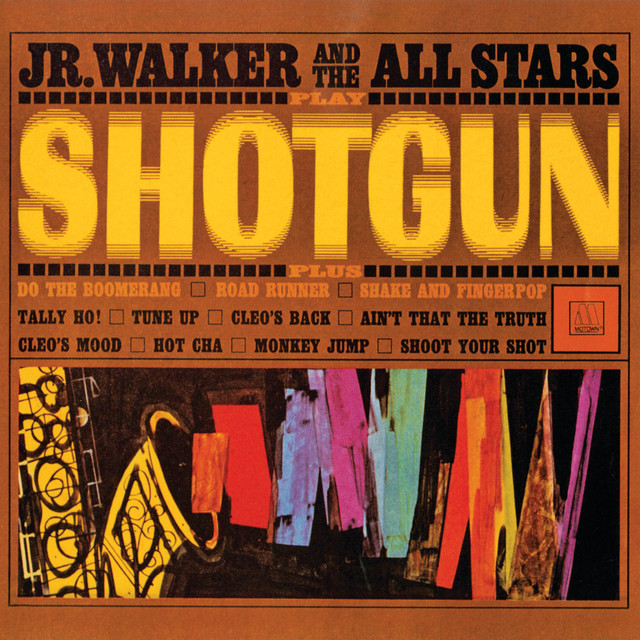
Junior Walker & The All Stars' album "Road Runner" reached No. 6 on Billboard's Top R&B Albums chart and No. 64 on the Pop chart.
Escaping the Shadows
Walker’s declaration of independence in "(I'm A) Road Runner" also reflects the broader narrative of African Americans seeking to escape the shadows of systemic racism. The song's fun, carefree vibe stands in stark contrast to the grim realities of the time. The music offered not just a distraction but a rallying cry for those who felt trapped by societal norms.
The Role of Rhythm and Blues
Rhythm and Blues was particularly vital in this context. The genre was rooted in the Black experience in America, combining jazz, gospel, and blues influences. Walker's music, with its infectious grooves and captivating hooks, provided a sense of community and belonging, allowing listeners to momentarily forget their struggles. The essence of R&B was about expression—expressing joy, pain, and the desire for freedom.
Legacy and Impact
The significance of "(I'm A) Road Runner" transcends its mere chart performance. It highlights how music can serve as a form of protest and empowerment. In the face of adversity, Walker's art not only entertained but also inspired a sense of agency among listeners. The song remains a timeless testament to the struggle for freedom and the joy found in resistance.
Conclusion: A Song for the Ages
Walker’s exhilarating anthem provided a soundtrack to the Civil Rights Movement, embodying the spirit of those who refused to be held back. As we reflect on the song today, it reminds us that the quest for freedom is an ongoing journey—a road that many continue to run toward, even in today's world.