A Love Letter to Nature
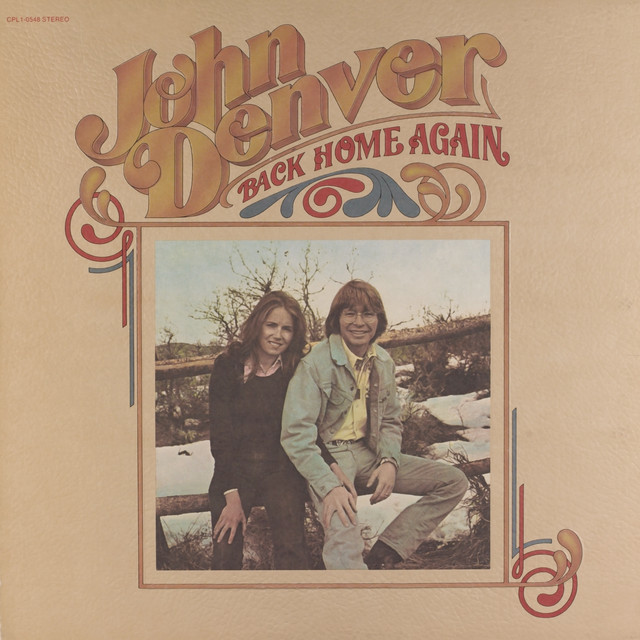
John Denver's "Annie's Song" stands as a testament to the power of love intertwined with the beauty of the natural world. Released in June 1974 on his album "Back Home Again," the track quickly ascended to the top of the Billboard 200, solidifying Denver's status as a key figure in the folk genre. The song is essentially a love letter, not just to its namesake, Annie Martell, but to the expansive, inviting beauty of nature itself.
Imagery Crafted from Emotion
Denver’s lyrics paint vivid pictures of the world around him, seamlessly merging romantic sentiment with the splendor of the environment. Lines like
evoke a sensory overload that illustrates how love can envelop and enhance our perception of the world. This metaphor is not just about romantic love; it’s also about how nature can evoke deep emotional responses."You fill up my senses, like a night in a forest"
Denver wrote this song while flying over the Rocky Mountains, capturing the essence of his surroundings and transforming it into a heartfelt expression of love.
Nature as a Reflection of Love
The imagery in "Annie's Song" is heavily influenced by Denver's profound connection to the environment. The way he describes nature—“like the mountains in springtime” or “like a walk in the rain”—creates an idyllic setting that mirrors the feelings of warmth and joy he experiences in love. It's no coincidence that the song's instrumentation, featuring gentle acoustic guitar and soft orchestral arrangements, complements the serene imagery in the lyrics.
Personal and Universal Themes
While "Annie's Song" is deeply personal, its themes are universally relatable. Denver taps into a feeling that many can understand: the way love can transform your view of the world. The line
emphasizes a willingness to surrender oneself to another, paralleling the way we often surrender to the beauty of the world around us. Denver captures the essence of love as a powerful, life-affirming force."Come let me love you, let me give my life to you"
A Lasting Legacy
Over the years, "Annie's Song" has been covered by numerous artists, each adding their interpretation while keeping the song's core emotion intact. This speaks to the song's enduring appeal and the effectiveness of its imagery. Denver's ability to marry nature with emotional depth ensures that the song remains timeless, resonating with listeners decades after its release.
Conclusion: An Ode to Connection
Ultimately, John Denver's "Annie's Song" is more than just a romantic ballad; it's an ode to the connection between love and the natural world. The vivid imagery serves as a reminder that love can elevate our appreciation for life's simple beauties. As Denver sings, he does more than express his feelings for Annie; he invites us all to see the world through the lens of love.