The Birth of a Psychedelic Anthem
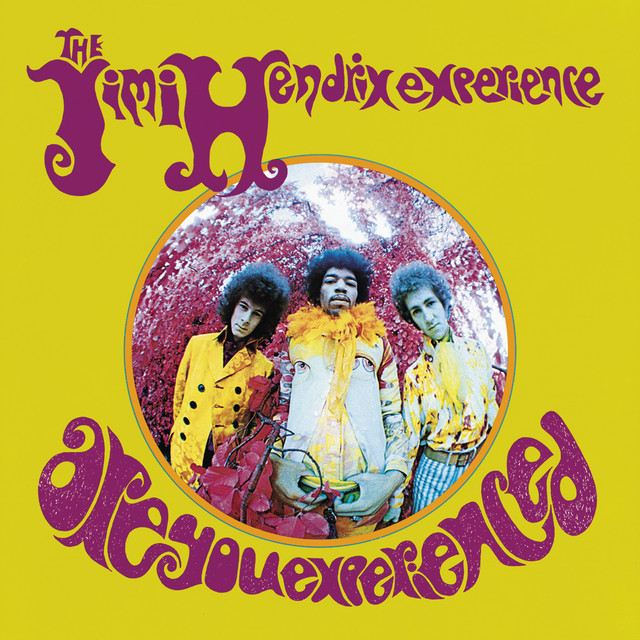
Released on March 17, 1967, as the second single from the Jimi Hendrix Experience's debut album, 'Are You Experienced,' 'Purple Haze' emerged as a defining track of the psychedelic rock era. With its heavy guitar riffs and enigmatic lyrics, the song not only showcased Hendrix's virtuosity but also encapsulated the spirit of a generation caught in the throes of cultural revolution.
California Dreaming
To understand the impact of 'Purple Haze,' one must consider the California counterculture of the 1960s. This was a time when the San Francisco Bay Area became a melting pot for artistic expression and alternative lifestyles. The Summer of Love in 1967 drew thousands to California, all seeking freedom from societal norms and exploring new realms of consciousness through music, art, and experimentation.
Hendrix, who was born in Seattle but later moved to California, found himself at the epicenter of this movement. His music embodied the psychedelic experience, as seen in the swirling guitar effects and layered production that producer Chas Chandler helped craft. 'Purple Haze' revolutionized rock music by pushing boundaries and creating a sound that felt otherworldly.
The Lyrics and Their Ambiguity
The song's lyrics are steeped in ambiguity, mirroring the era's fascination with altered states of consciousness. Lines like
encapsulate the confusion and anxiety that often accompanied the pursuit of enlightenment. This lyric, in particular, reflects the disorientation many felt as they navigated the complexities of the counterculture."Actin' funny, but I don't know why"
Moreover, the phrase
has been interpreted in various ways, from a nod to psychedelic experiences with drugs to a broader metaphor for the surrealism of life in that era. Hendrix himself often left the meaning of his lyrics open to interpretation, allowing listeners to project their experiences onto his music."Purple haze all in my eyes"
Sound Innovations and Cultural Impact
Musically, 'Purple Haze' was revolutionary. The song's distinctive intro, characterized by a fuzzed-out guitar riff, was a bold statement that set it apart from other tracks of the time. It combined elements of blues, rock, and psychedelia, paving the way for future genres and artists.
This sonic experimentation was emblematic of the counterculture's ethos, which encouraged breaking down barriers and redefining art. Hendrix's use of feedback and distortion was not just a technical choice; it was a declaration of independence from conventional musical norms.
The Legacy of 'Purple Haze'
'Purple Haze' remains a cultural touchstone, a song that defined an era and influenced countless musicians. Its impact is felt not only in rock but across genres, as artists continue to draw inspiration from Hendrix's innovative approach. Tracks that followed in its wake, from the rock anthems of the '70s to today's contemporary hits, owe a debt to the sonic groundwork laid by Hendrix.
Interesting fact: Jimi Hendrix claimed that 'Purple Haze' was inspired by a dream he had about walking under the sea.
Conclusion: A Sonic Reflection of an Era
'Purple Haze' is more than just a song; it is a reflection of a time when music became a vehicle for social change and personal exploration. The influence of California's counterculture is palpable in every note and lyric, making it an enduring anthem of freedom and creativity. As we revisit this classic, we recognize its role in shaping not only Hendrix's legacy but also the very fabric of modern music.