The Weight of Emotion
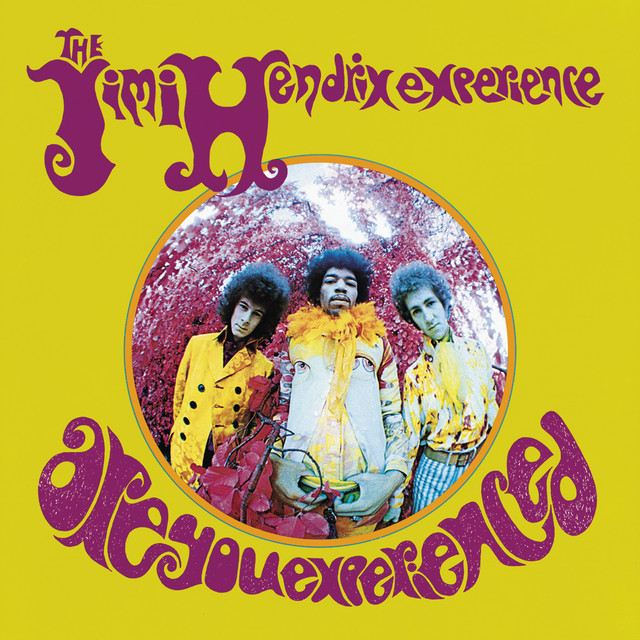
Jimi Hendrix’s "Manic Depression," recorded in 1967, is more than just a song; it’s a raw exploration of the tumultuous emotional states that defined not only Hendrix's life but also the revolutionary spirit of the 1960s. The song, featured on the groundbreaking debut album Are You Experienced, encapsulates the highs and lows of manic depression, a reality that resonated with a generation grappling with profound social change.
Soundscapes of Psychedelia
The 1960s psychedelic movement cultivated a culture of mind expansion and emotional freedom, leading to a musical explosion that embraced complex emotions. Hendrix’s incorporation of feedback, distortion, and innovative guitar techniques in "Manic Depression" reflects this ethos. The opening guitar riff, filled with urgency, creates a sense of rising tension that mirrors the song's lyrical themes.
"Manic depression is touching my soul"
This line encapsulates the struggle between euphoria and despair, a duality that was prevalent in the counterculture of the time. As the youth sought liberation through music, art, and drugs, many faced their own emotional battles, making Hendrix's candid expression all the more significant.
The Personal and the Political
Hendrix's lyrics often reflected not just personal experiences but also the collective consciousness of a generation. The song speaks to the existential angst felt during an era marked by political upheaval, civil rights movements, and the Vietnam War. It’s a reminder that the psychedelic experience was not merely about escapism but also about confronting deep-seated fears and anxieties.
Jimi Hendrix recorded over 170 songs during his brief career, blending blues, rock, and psychedelia.
Influence of Psychedelic Culture
The psychedelic movement was characterized by an exploration of consciousness and an embrace of altered states of mind. Hendrix, along with contemporaries like The Beatles and The Doors, used their music as a platform to reflect this exploration. In "Manic Depression," the chaotic shifts in tempo and mood act as a sonic representation of the unpredictable nature of mental health, similar to how psychedelics alter perceptions.
A Struggle for Understanding
Hendrix's candid approach to mental health in his art stands out, especially in a time when such topics were often stigmatized. The line
highlights a struggle that many faced, both personally and socially. The desire for clarity in a confusing world reflects the broader quest for understanding that permeated the 1960s."I know what I want, but I just don't know, how to go about getting it"
Legacy and Impact
Ultimately, "Manic Depression" is not just a reflection of Hendrix's personal battles but a cultural artifact that speaks to the emotional landscape of the 1960s. It illustrates how music can serve as both a mirror and a catalyst for change, allowing listeners to confront their inner turmoil while navigating a world in flux.
As we revisit Hendrix's work today, we see that the psychedelic movement was not solely about the use of substances, but about a deeper search for meaning and connection. "Manic Depression" remains a testament to this quest, encapsulating the complexities of the human experience in a time of great upheaval.