The Blues Roots of 'Fire'
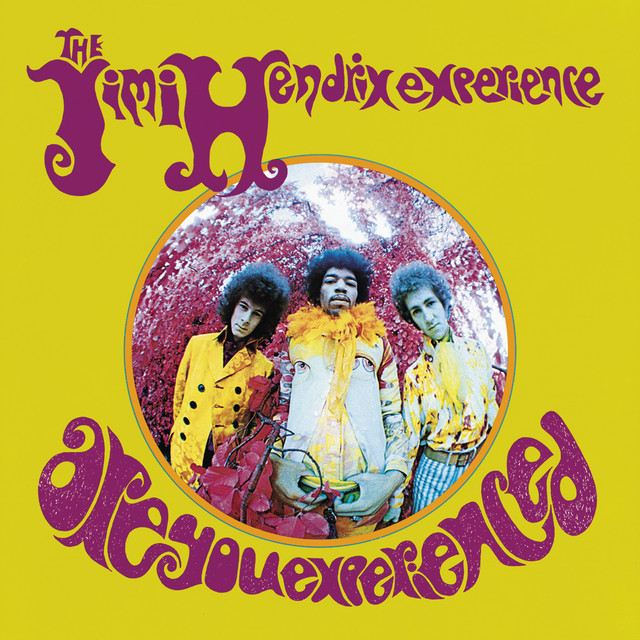
Jimi Hendrix's "Fire," released in 1967 on the album Are You Experienced, is often celebrated for its fiery guitar riffs and psychedelic vibe. However, beneath its surface lies a rich tapestry of blues influences that shaped the song's lyrical structure and emotional depth. Hendrix, a master of blending genres, drew upon the raw expressions of early blues artists, infusing their spirit into his work.
Lyricism Influenced by Blues Storytelling
One of the defining characteristics of the blues is its ability to convey deep emotion through simple yet evocative narratives. Hendrix taps into this tradition with lines that embody desire and longing. The chorus of "Fire" succinctly captures an intense yearning:
"Let me stand next to your fire"
This line resonates not just as a plea for physical closeness but also as a metaphor for the combustible nature of love and passion, reminiscent of how blues legends like Muddy Waters would express their desires through poignant storytelling.
Musical Style: A Nod to Southern Roots
Musically, "Fire" showcases Hendrix's deft guitar work, which is steeped in blues. The driving rhythm and playful licks can be traced back to the guitar stylings of artists like B.B. King and Robert Johnson. In fact, the phrase "fire" itself is often a recurring motif in blues, symbolizing both love and despair. Hendrix's interpretation transforms this age-old theme into a psychedelic experience while retaining the emotional core.
Emotional Imagery and Symbolism
Hendrix's use of fire as a symbol is not just a catchy phrase; it represents a duality often found in blues music. The fire in his lyrics can be seen as both destructive and illuminating. In the context of blues, it reflects the struggle between passion and pain, often found in the works of artists like Howlin' Wolf, who sang about the fiery turmoil of love gone wrong.
Influence of the Blues Structure
The song's structure also bears the hallmarks of traditional blues. The call-and-response pattern, a staple in blues music, is subtly woven into the fabric of "Fire." This technique not only engages listeners but also creates a sense of community, inviting them to join in the emotional dialogue. Hendrix's lyrical style, while innovative, pays homage to this blues tradition.
Did you know? Jimi Hendrix was heavily influenced by blues artists and often cited B.B. King as a key inspiration for his guitar playing.
Legacy of Influence
The impact of early blues artists on Hendrix's music is undeniable. "Fire" serves as a bridge between genres, showcasing how blues has permeated rock music and continues to inform contemporary artists. The raw emotion and vivid imagery present in Hendrix's lyrics reflect the struggles and joys captured in the blues, making his music timeless.
Conclusion: The Heart of 'Fire'
Ultimately, Jimi Hendrix's "Fire" stands as a testament to the enduring influence of the blues on rock music. By weaving blues elements into the very fabric of his lyrics and sound, Hendrix not only honors his predecessors but also expands the genre's legacy. In a world where music often serves as a backdrop, Hendrix's work reminds us that every note and lyric carries a history worth exploring.