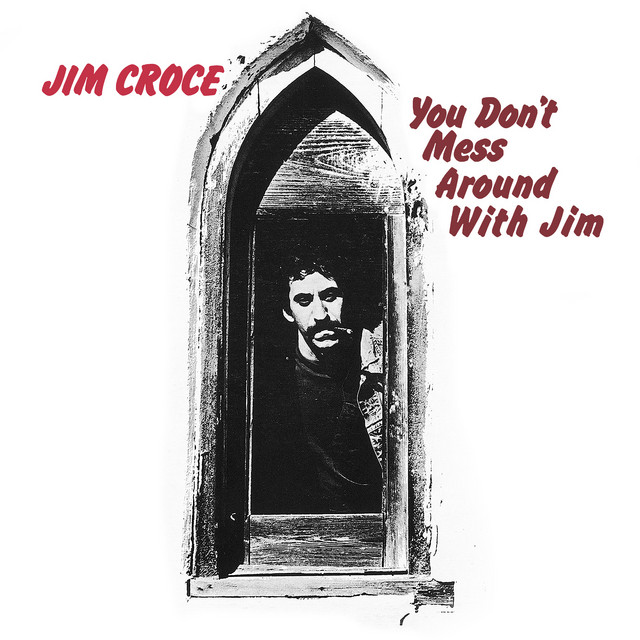
Meet Big Jim: The Man Behind the Myth
Jim Croce's 1972 hit "You Don't Mess Around with Jim" is more than just a catchy tune; it's a vivid narrative steeped in the realities of the singer-songwriter's life. Big Jim, the titular character, serves as a reflection of various influences and experiences that shaped Croce’s worldview. With its release on his major-label debut album of the same name, the track established Croce as a formidable storyteller in the folk-rock genre.
Big Jim is a hard-edged character, a man defined by his reputation and the consequences of crossing him. Croce’s lyrics paint a picture of a tough guy who commands respect and fear, a reflection of the gritty personalities Croce encountered during his formative years. The line,
encapsulates the essence of this character, a mantra for those who knew him."You don’t mess around with Jim,"
Croce's life before fame was punctuated with struggles, including working odd jobs and playing in bars, which introduced him to a colorful cast of characters.
The Real-Life Inspirations
While Big Jim may seem fictional, he is inspired by the real figures populating Croce’s life. Growing up in a working-class family in Pennsylvania, Croce was no stranger to the types of men who lived by the rules of the street. His experiences in the local bar scene introduced him to larger-than-life personalities that often wielded their own brand of justice.
The song’s narrative structure is akin to a Western, where the protagonist faces off against the consequences of their actions. In a way, Croce himself was a bit of a modern-day cowboy, navigating the cultural landscape of early '70s America. The character of Big Jim can be seen as an amalgamation of the strong-willed men Croce observed, including friends and mentors who embodied raw tenacity.
Reflections of Masculinity
The figure of Big Jim is also a commentary on masculinity and the expectations that come with it. In the early '70s, societal norms dictated a certain toughness that many men felt compelled to embody. Croce’s portrayal of Jim fits neatly into this framework, presenting a man who is both revered and feared.
Lines like
reinforce this image of masculinity tied to power and violence, evoking the archetypal tough guy. It’s a reflection of the times, but also a critique of the very values that elevate such men to legendary status."And he’s got a big old car, and he’s got a big old gun,"
The Consequences of Action
What makes Big Jim compelling is not just his bravado but the devastating consequences that unfold in the narrative. Croce’s storytelling shines as he depicts the fate that befalls those who underestimate Jim. The line,
serves as a warning not just to the characters in the song but to listeners as well. It’s a reminder that actions have repercussions, and Croce’s characters often face the music."You better watch where you’re walking, or where you’re talking,"
The song reached No. 1 on the Billboard Hot 100 in 1972, marking a significant breakthrough in Croce's career.
Big Jim's Legacy
Big Jim endures as a symbol of the complex interplay between respect and fear. The character isn’t just a relic of Croce’s imagination; he’s a reflection of the broader societal issues of the time. As Croce navigated his own life, he drew from the real and the imagined, creating a character who resonates with the struggles of many.
In a world that often glorifies violence and toughness, Croce offers a nuanced portrayal that compels listeners to consider the humanity behind the bravado. Big Jim serves as both a cautionary tale and a celebration of the gritty spirit that defines so many lives. Croce’s ability to weave these themes into a catchy melody is what makes "You Don't Mess Around with Jim" a timeless classic.