The Weight of Time
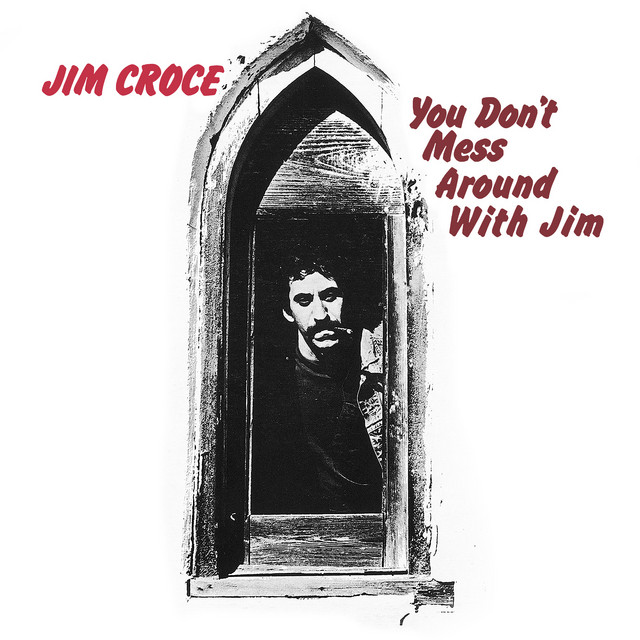
Jim Croce's "Time in a Bottle," from his 1972 album You Don’t Mess Around with Jim, is more than just a love song; it’s an elegy for lost moments. Croce wrote the track with a heart heavy from the knowledge of life’s fragility, a theme that echoes throughout early 1970s American music. The early '70s were a time of profound introspection, and Croce's lyrics epitomize the longing for moments that slip away too quickly.
Nostalgia's Place in the '70s
The early 1970s were rife with societal upheaval, from the Vietnam War to the civil rights movement. Music during this era often reflected deep personal and collective nostalgia. Croce's approach was uniquely personal, focusing on intimate details rather than the broader societal commentary that characterized much of the era’s folk and rock music.
"But there never seems to be enough time to do the things you want to do once you find them."
These lines capture the essence of nostalgia — a yearning for what is lost and a recognition of the fleeting nature of existence. Croce's poignant delivery adds weight to a sentiment that many listeners found relatable, especially in a time when uncertainty loomed large.
Life, Love, and Loss
While many artists were crafting anthems of protest or escapism, Croce chose to focus on the domestic, the personal, the everyday. His work resonates with a sincerity that allows listeners to connect deeply with his experiences. The popularity of "Time in a Bottle" soared after Croce's tragic death in 1973, cementing it as a timeless piece reflecting love and loss.
Interesting fact: "Time in a Bottle" reached number one on the Billboard Hot 100 in 1974, two months after Croce's death.
Connection to Other Artists
In examining Croce's work, it’s impossible to ignore the parallel with contemporaries like Carole King and James Taylor, who also infused their music with a sense of longing and introspection. For instance, King's "So Far Away" and Taylor's "Fire and Rain" grapple with similar themes of nostalgia and the passage of time. These artists created a soundscape rich with emotion, where the personal was made universal.
A Legacy of Reflection
Ultimately, "Time in a Bottle" stands as a testament to Croce’s unparalleled ability to articulate complex feelings of nostalgia, loss, and love in a straightforward yet profound manner. The early '70s were a fertile ground for such emotional expression, and Croce’s work remains a significant piece of that era's musical legacy.
"If I could save time in a bottle, the first thing that I'd like to do is to save every day till eternity passes away."
In these lines, Croce's desire to hold onto time speaks to a universal human experience: the wish to freeze moments of joy and connection. This sentiment is what makes "Time in a Bottle" not just a song, but an anthem for anyone who has ever wished to keep their cherished memories alive.