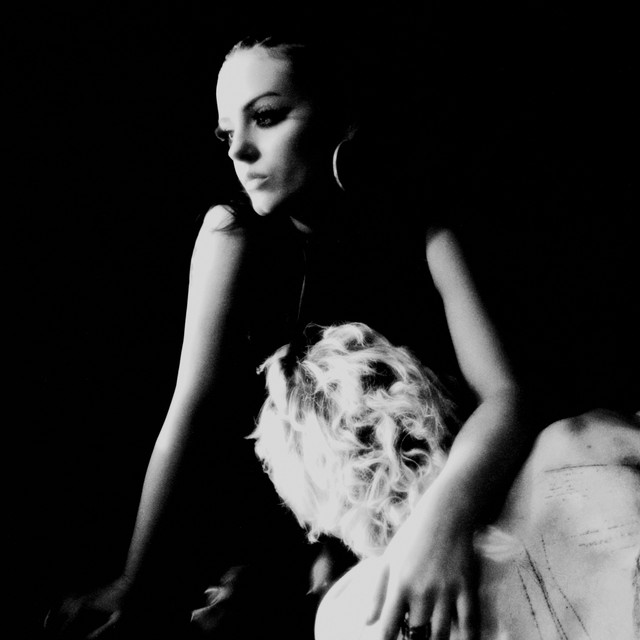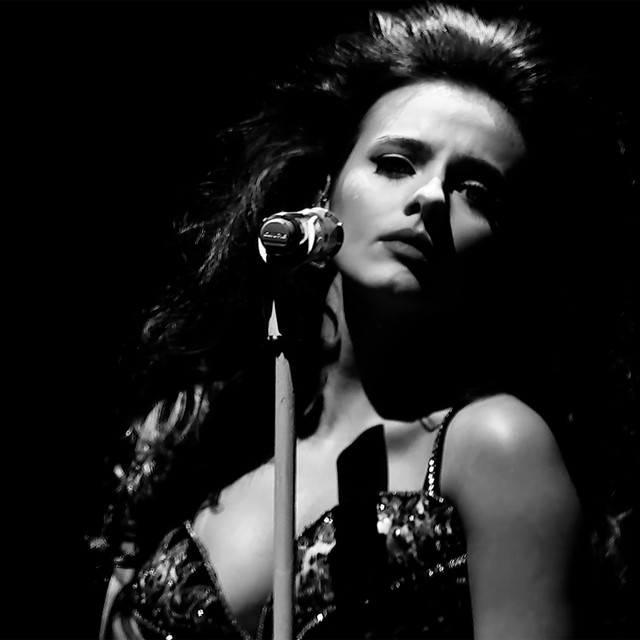
Hallelujah - Live from iHeartRadio Jingle Ball 2025
by Jessie Murph
Summary
Jessie Murph’s “Hallelujah” is a raw and emotional exploration of love, faith, and betrayal. It takes a classic theme and gives it a fresh twist, connecting deep personal struggles to a well-known story.
Full Analysis
The overall theme of the song revolves around the complexities of love and faith. It uses the biblical story of King David, who faced both triumph and heartbreak. By weaving in elements of personal struggle, Jessie highlights how love can lead to moments of joy and despair. The repeated "Hallelujah" echoes a longing for resolution in the midst of chaos.
Verse 1
I've heard there was a secret chord
That David played, and it pleased the Lord
But you don't really care for music, do ya?
It goes like this, the fourth, the fifth
This verse sets the stage by referencing King David, a figure known for his musical talent and troubled love life. It hints at the idea that music and faith can be deeply intertwined, but it also suggests a disconnect. The line "you don't really care for music" speaks to a deeper emotional struggle. It’s like saying that even the most beautiful things can be ignored if someone is lost in their own pain.
Chorus
Hallelujah, hallelujah
Hallelujah, hallelujah
The chorus is simple yet powerful. Repeating "Hallelujah" brings a sense of worship, but also a feeling of surrender. It captures the essence of finding hope amidst heartbreak. It’s almost like a cry for help or a moment of acceptance, showing that even in difficult times, there’s still something to be grateful for.
Verse 2
Your faith was strong, but you needed proof
You saw her bathing on the roof
Her beauty and the moonlight overthrew ya
She tied you to a kitchen chair
This verse dives into the story of David and Bathsheba, illustrating how desire can cloud judgment. The mention of "faith" suggests that even the strongest beliefs can falter when faced with temptation. The imagery of being tied to a chair hints at feeling trapped by one’s choices, adding a layer of vulnerability to the character’s situation.
Chorus
Hallelujah, hallelujah
Hallelujah, hallelujah
The repetition of the chorus reinforces the emotional weight of the situation. It serves as a reminder that despite the turmoil, there’s still a search for meaning. Each "Hallelujah" feels like a step toward acceptance, acknowledging both the highs and lows of love.
Bridge
She broke your throne, and she cut your hair
And from your lips, she drew the "Hallelujah"
In this bridge, things take a darker turn. The imagery of breaking a throne and cutting hair symbolizes loss of power and identity. It’s a moment of realization that love can lead to destruction. Yet, from this pain, the character still finds a reason to sing “Hallelujah.” It’s a testament to resilience, showing that even when everything falls apart, there’s still beauty to be found.
Outro
Hallelujah, hallelujah
Hallelujah, hallelujah
The outro mirrors the chorus, bringing the song full circle. By repeating "Hallelujah," it emphasizes a sense of closure. It’s like a bittersweet acceptance of life’s complexities. The song ends on a note that suggests even amidst heartbreak, there’s still love and gratitude.
Closing Thoughts
Jessie Murph’s “Hallelujah” beautifully captures the struggle between love and faith. With its biblical references and emotional depth, it resonates with anyone who’s faced their own challenges in love. The song reminds us that even in our darkest moments, there’s always a reason to sing.
Full Lyrics
▼
That David played, and it pleased the Lord
But you don't really care for music, do ya?
It goes like this, the fourth, the fifth
The minor falls and the major lift
The baffled king composing "Hallelujah"
Hallelujah, hallelujah
Hallelujah, hallelujah
Your faith was strong, but you needed proof
You saw her bathing on the roof
Her beauty and the moonlight overthrew ya
She tied you to a kitchen chair
She broke your throne, and she cut your hair
And from your lips, she drew the "Hallelujah"
Hallelujah, hallelujah
Hallelujah, hallelujah