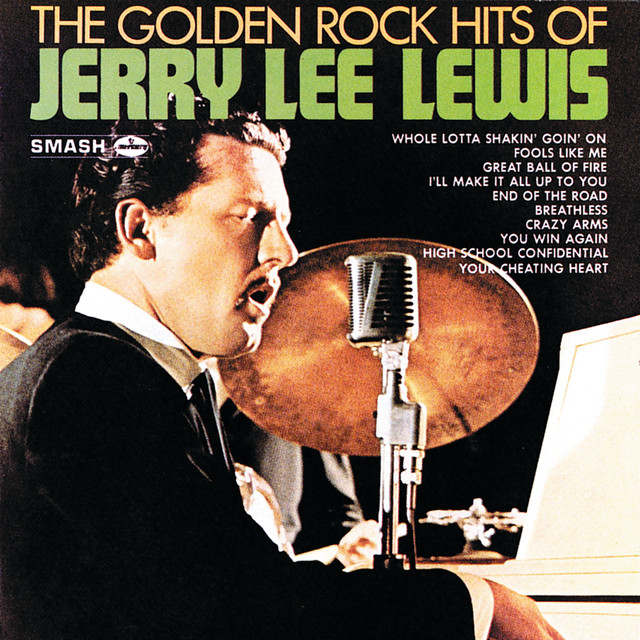
The Birth of a Cultural Force
When Jerry Lee Lewis released "Great Balls Of Fire" in 1957, he didn’t just create a hit; he sparked a cultural phenomenon. This rock and roll classic, with its frenetic piano riffs and passionate vocal delivery, became a rallying cry for youth in a rapidly changing America. By the 1960s, it had evolved into a symbol of teenage rebellion, encapsulating the spirit of a generation eager to break free from societal constraints.
A Shift in Sound and Attitude
The song’s insatiable energy and Lewis's wild persona resonated with teenagers who found themselves at odds with the conservative values of their parents. The lyrics, with their unabashed celebration of desire and vitality, struck a chord:
This was no mere flirtation with rebellion; it was a declaration."Goodness gracious, great balls of fire!"
Rebellion in the Face of Conformity
As the 1960s progressed, the cultural landscape shifted dramatically. The post-war era was giving way to a more liberated youth culture, influenced by the civil rights movement, the sexual revolution, and an increasing disillusionment with authority. Lewis's raucous style became an anthem for this new wave of youthful defiance. The song's infectious rhythm and Lewis's boisterous performance style gave voice to the frustrations and aspirations of teenagers seeking to assert their individuality.
Performance and Persona
Jerry Lee Lewis was no stranger to controversy. His infamous performances full of sweat and fervor, coupled with his personal scandals, only amplified his status as a rebellious icon. The energy he brought to his live shows, especially in televised performances, captured the attention of a generation longing for authenticity and excitement. His reckless abandon on stage was a far cry from the polished pop acts of the day, making him a beacon for those who yearned for something raw and real.
Interesting fact: Lewis's own life mirrored the chaos of his music, as he faced backlash for marrying his 13-year-old cousin, which only enhanced his image as a rebel.
The Legacy of 'Great Balls Of Fire'
As we look back, it's clear that "Great Balls Of Fire" transcended its initial impact. It became a cultural touchstone, referenced in films and covered by countless artists, solidifying its place in rock history. The song encapsulated more than just the sound of the 1950s; it became a manifesto for the rebellious spirit of the 1960s. Even as new genres emerged and youth culture evolved, the raw energy of Lewis's classic continued to inspire generations.
A Lasting Impact
In a decade marked by upheaval and change, "Great Balls Of Fire" remained a steadfast reminder of the power of music to challenge norms and galvanize youth. Its infectious spirit and bold lyrics transformed it into a timeless anthem of rebellion, still echoing in the hearts of those who dare to push back against the status quo. Jerry Lee Lewis didn't just play rock and roll; he ignited a revolution.