Roots in Chicago Soul
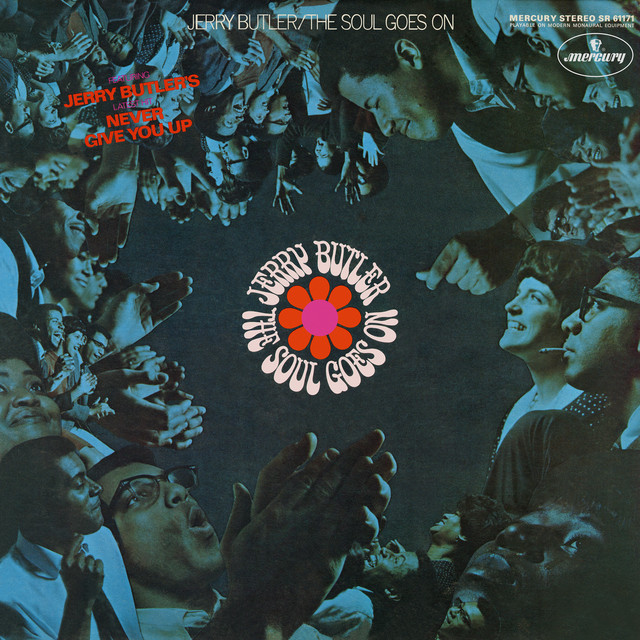
Jerry Butler's "Never Give You Up," released in 1968, is often overshadowed by the glitz of its pop contemporaries. Yet, this track is a crucial piece of Chicago's rich soul scene, crafted by the legendary songwriting duo Kenny Gamble and Leon Huff. With its smooth melodies and heartfelt lyrics, the song captures the essence of soul music during a transformative period in American music.
Chart Success and Impact
Reaching No. 20 on the Billboard Hot 100 and No. 16 in Canada, Butler's single resonated with audiences, solidifying his status as a soul icon. The lush production typical of Gamble and Huff's work sets a standard that many future artists would aspire to. Their ability to blend orchestral arrangements with authentic vocal performances introduced a new level of sophistication to soul music.
"I’ll never give you up, no matter what you do"
This lyric embodies a commitment that transcends the personal, articulating a universal longing that countless listeners could relate to. It underscores Butler's knack for conveying deep emotion, a hallmark of Chicago soul.
Transition to Northern Soul
Butler's influence didn't stop with mainstream success. His 1969 track "Moody Woman" became a Northern Soul favorite, ranking No. 369 in the Northern Soul Top 500. The Northern Soul movement, which celebrated obscure and regional hits, found a home in Butler's emotionally charged performances. The raw energy from Chicago's soul scene carried over into the UK, where Northern Soul enthusiasts embraced Butler's work, cementing his legacy internationally.
Legacy and Influence
The impact of "Never Give You Up" extends far beyond its initial release. Artists like D’Angelo and Maxwell have drawn inspiration from Butler's smooth melodies and rich emotionality. The song's themes of love and perseverance continue to echo in modern R&B, highlighting how Butler's artistry has shaped the genre.
Jerry Butler was one of the first artists to successfully blend the sounds of Chicago with the sophisticated arrangements of Philadelphia soul, paving the way for future collaborations.
Conclusion: A Timeless Connection
As we look back at Butler's contributions, it's clear that "Never Give You Up" represents more than just a hit song. It symbolizes a connection to a vibrant musical community that thrived in Chicago during the late '60s. The song's enduring legacy serves as a testament to the power of soul music to inspire and influence generations of artists.