The Spirit of the 70s
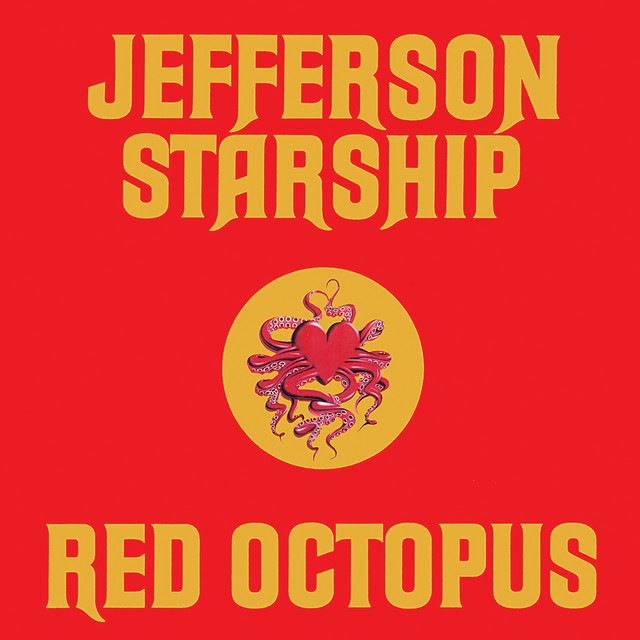
When Jefferson Starship released "Miracles" in 1975 on their album Red Octopus, they crafted more than just a chart-topping rock ballad. The song, written by Marty Balin, embodies the essence of the 1970s spiritual awakening, a time when music served as both escape and a conduit for deeper existential reflection.
The decade was alive with new-age philosophies and movements that sought to transcend traditional boundaries of religion and spirituality. Balin’s lyrics, filled with longing and a quest for connection, reflect these themes that were prevalent among many artists of the time.
Lyrics that Inspire
“Miracles” opens with a sentiment that feels both personal and universal. Balin sings about love and the extraordinary experiences that it brings, as he yearns for a sense of wonderment in the daily grind. The lyrics,
, highlight a yearning for shared spiritual experience, an idea that aligns perfectly with the era’s ethos of collective consciousness and communal exploration."If only you believe like I believe, baby..."
Connection to Spiritual Movements
The 1970s were marked by a surge in interest in Eastern philosophies, mysticism, and a general questioning of established norms. Artists like Jefferson Starship tapped into this cultural shift, using music as a means to explore and express these spiritual quests. The notion of “miracles” in Balin’s lyrics can be seen as a reflection of the period's fascination with the extraordinary and the divine.
Just as many spiritual movements encouraged individuals to seek enlightenment through love and connection, "Miracles" promotes a similar message. The idea that love can transform reality is a powerful notion that resonates with many who were seeking something greater than themselves during this transformative era.
Musical Context
Produced by the legendary Paul Kantner, "Miracles" stands as a testament to the band’s ability to blend rock with profound lyrical content. The melody itself, a gentle rock ballad, supports the introspective nature of the lyrics, creating an atmosphere ripe for contemplation. This musical approach aligns with the hippy ideals of the 60s and 70s, where artists strived to convey deep emotional truths through their sound.
Interestingly, "Miracles" became one of Jefferson Starship’s most popular songs, peaking at number 3 on the Billboard Hot 100, showcasing the public's appetite for music that speaks to both the heart and the spirit.
A Legacy of Connection
As the years have passed, the reflections on love and miracles in the song continue to resonate. Modern listeners find solace in Balin's hopeful declarations, drawing parallels between the struggles of the 70s and today’s ongoing search for meaning in an often chaotic world.
In many ways, "Miracles" serves as a bridge connecting the spiritual explorations of the 70s to contemporary themes of love and connection. It is a reminder of the enduring power of music to articulate our innermost desires and quest for understanding.
Final Thoughts
Jefferson Starship’s "Miracles" encapsulates a slice of the cultural zeitgeist of the 1970s, intertwining themes of love, spirituality, and the miraculous into a rock ballad that still speaks volumes today. As we continue to navigate our own journeys, the song invites us to embrace the magic that love can bring, a sentiment that feels just as relevant now as it did nearly five decades ago.