The Sound of a Generation
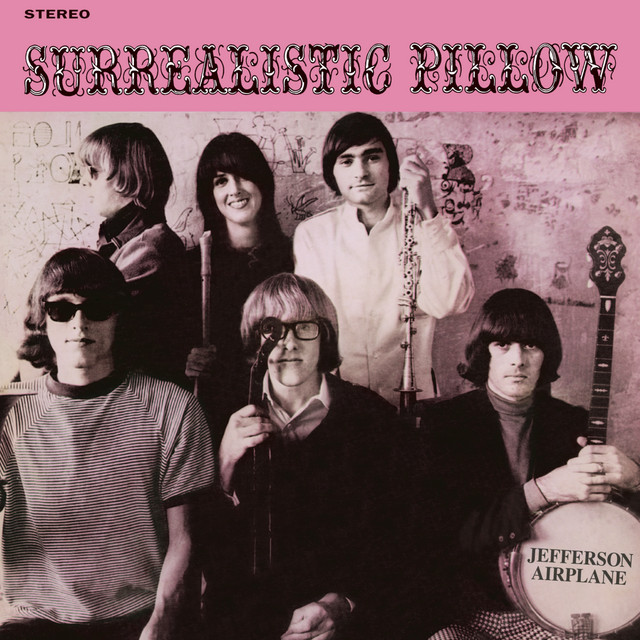
Released in 1967 on their iconic album Surrealistic Pillow, Jefferson Airplane's "Somebody to Love" stands as a quintessential anthem for the countercultural movements of the 1960s. Written by Darby Slick and originally recorded by the Great Society, the song's blend of psychedelic rock and haunting vocals from Grace Slick encapsulates the era's spirit of rebellion and yearning.
Alienation in the Age of Enlightenment
At its core, "Somebody to Love" addresses profound themes of loneliness and the quest for connection. Slick's vocal delivery, imbued with urgency, reflects the existential angst prevalent in a society grappling with rapid change. Lines like
resonate with a generation disillusioned by authority and conventional norms."When the truth is found to be lies, and all the joy within you dies"
A Reflection of Societal Upheaval
The counterculture of the 1960s was marked by a rejection of traditional values, and "Somebody to Love" serves as a soundtrack for this rebellion. The rise of movements advocating for civil rights, anti-war protests, and sexual liberation created a backdrop against which the song flourished. Slick's lyrics echo the frustrations of youth who felt marginalized and misunderstood.
The song was produced by Rick Jarrard, a key figure in shaping the San Francisco sound, which was instrumental in the counterculture movement.
Love as a Radical Act
In the chorus, the repeated plea for connection—"I need somebody to love"—is not merely a personal desire; it evolves into a collective cry for solidarity. During a time when social movements were gaining momentum, the yearning for love and acceptance became intertwined with the broader fight for justice and equality. Slick’s call for companionship symbolizes a longing not just for individual love, but for societal unity.
The Legacy of 'Somebody to Love'
As the 1960s progressed, the themes of "Somebody to Love" continued to resonate. The song's popularity contributed to Jefferson Airplane's status as one of the leading voices of the counterculture. It remains a powerful reminder of a time when music became a vehicle for social change, capturing the essence of a generation in search of identity and connection.
Conclusion
Ultimately, "Somebody to Love" is more than just a rock song; it is a cultural artifact that embodies the hopes and struggles of the 1960s. Its exploration of love, truth, and alienation continues to provide insight into the complexities of human connection, making it as relevant today as it was over five decades ago.