Joyful Longing in Love
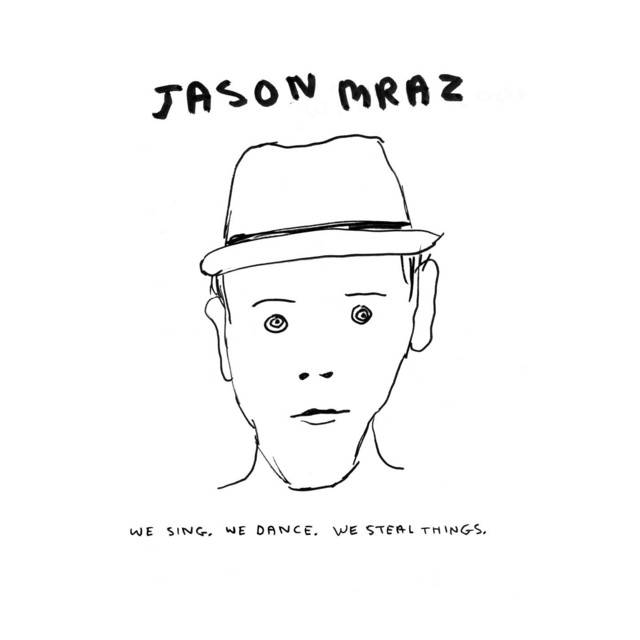
Released in 2009 as part of the album We Sing. We Dance. We Steal Things., Jason Mraz's "Lucky," featuring Colbie Caillat, is more than just a catchy duet; it embodies the complexities of love that resonate with LGBTQ+ experiences. The song's narrative is rooted in a sense of joyful longing, capturing the essence of being in love with someone, yet feeling the pang of distance.
A Universal Message
While "Lucky" presents a straightforward love story, its significance in the context of LGBTQ+ love songs is profound. The lyrics convey a longing for connection and a celebration of love that transcends traditional boundaries. The chorus,
speaks to an unfiltered emotional bond that many LGBTQ+ individuals can identify with—love that is both platonic and romantic, layered with friendship."I'm lucky I'm in love with my best friend,"
Breaking Norms
In a time when mainstream love songs often leaned heavily into heteronormative narratives, "Lucky" broke through by providing a fluid interpretation of love. It captures the essence of companionship that is often at the heart of LGBTQ+ relationships. The shared experience of love and friendship is universal, yet particularly resonant for those who have navigated societal norms that can complicate such bonds.
Emotional Resonance
Mraz's smooth, laid-back style combined with Caillat's sweet harmonies creates an atmosphere that feels both intimate and expansive. The way the song flows allows listeners to feel the warmth of affection while dealing with the bittersweet nature of love. The line,
emphasizes a sense of wonder that encapsulates the excitement and disbelief often found in LGBTQ+ relationships."And I just can't believe my, my best friend is so in love with me,"
Contextualizing LGBTQ+ Love
In the broader context of LGBTQ+ music, "Lucky" stands alongside other tracks that celebrate love in its diverse forms. It encourages listeners to embrace their feelings openly, regardless of societal expectations. The light-hearted yet profound exploration of love serves as a reminder that happiness is found in acceptance and authenticity.
In 2009, the same year "Lucky" was released, same-sex marriage was legalized in several countries, reflecting a shift in societal attitudes towards LGBTQ+ relationships.
A Lasting Impact
The enduring popularity of "Lucky" in wedding playlists and romantic occasions highlights its universal appeal. It resonates with anyone who has experienced the joy of being in love with a close friend, regardless of gender. This connection to friendship as a foundation for romantic love is an important aspect of many LGBTQ+ stories.
Conclusion: More Than Just a Love Song
Ultimately, "Lucky" is a celebration of love in all its forms. It invites listeners to embrace the beauty of their relationships, whether they conform to traditional norms or not. In the tapestry of LGBTQ+ love songs, Mraz's gentle anthem remains a powerful reminder of the joy and complexity that love can bring.