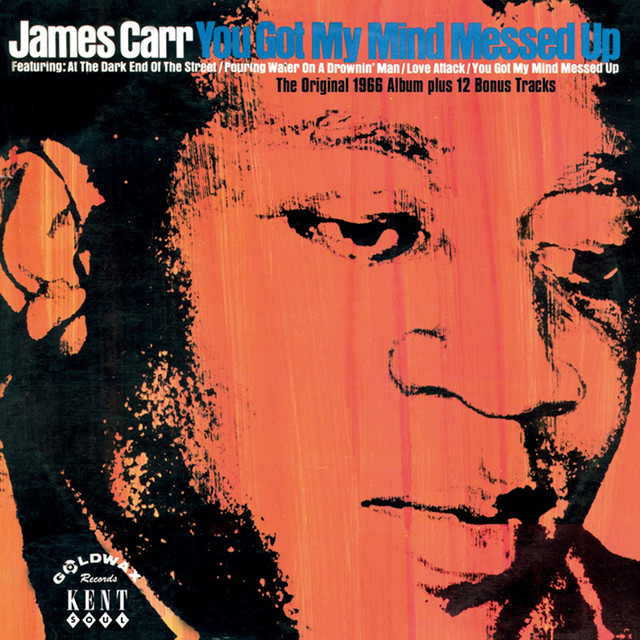
The Weight of Heartbreak
James Carr’s 1967 classic, “These Ain't Raindrops,” is more than just a soulful ballad; it’s a raw exploration of love’s complexities and the emotional turmoil it can bring. Carr, known for his heart-wrenching delivery, channels his own experiences into the song, making it a standout track that captures the essence of heartache.
Personal Struggles Reflected
Having faced his own demons, including battles with depression and addiction, Carr’s life was far from easy. These struggles seeped into his music, and “These Ain't Raindrops” is no exception. The song reflects the deep sense of sorrow that comes from unfulfilled love, encapsulated in the poignant line:
“These ain't raindrops falling from my eyes.”
This lyric serves as a powerful metaphor for tears that aren’t just a natural reaction, but rather a manifestation of emotional pain that can’t be easily explained or understood.
A Legacy of Heartache
James Carr wasn’t the first artist to use rain as a metaphor for sadness. The Larks’ “Cigarettes and Tears” (1951) and Bobby Darin’s “Black Coffee” (1959) similarly employed this imagery to convey longing and despair. However, Carr’s take is uniquely personal, a reflection of his own turbulent relationships and the heartache that often accompanied them.
Interestingly, Carr was known to struggle with his mental health, which only deepened the emotional weight of his music, making tracks like this resonate even more.
Influences and Context
In the realm of soul and R&B, few artists could match Carr’s ability to convey deep emotion. “These Ain’t Raindrops” was produced by a team that included the legendary Rick Hall, who helped shape the Muscle Shoals sound. This production style, characterized by its rich instrumentation and emotive vocals, amplifies Carr’s heartfelt lyrics.
The song came at a time when the music industry was beginning to embrace more personal narratives. Unlike other tracks of the era, which often focused on romantic idealism, Carr’s lyrics expose the rawness of reality, capturing the feeling of drowning in one’s own sorrow. The haunting melody paired with Carr’s aching voice creates an atmosphere that feels both intimate and universal.
Comparison with Contemporary Artists
Fast forward to the 21st century, and it’s clear that the legacy of artists like Carr continues to influence musicians today. For instance, Canadian singer-songwriter Ron Sexsmith in “Raindrops In My Coffee” (2005) revisits the theme of love’s painful aftermath, evoking a similar sense of melancholy. Meanwhile, Blur’s “Coffee and TV” (1999) adds a layer of existential questioning to the metaphor of coffee as a comfort in times of distress.
A Profound Impact
Marc D. Allan from The Indianapolis Star recognized the depth of Carr’s work, noting that it’s the honesty in his lyrics that sets him apart from his contemporaries. “These Ain’t Raindrops” remains a testament to the power of vulnerability in songwriting, showcasing how personal struggles can yield universally relatable art.
Ultimately, Carr’s ability to transform his pain into something beautiful is what makes “These Ain’t Raindrops” a timeless piece. The song reminds us that while love can bring joy, it often comes with its own set of challenges and heartaches.