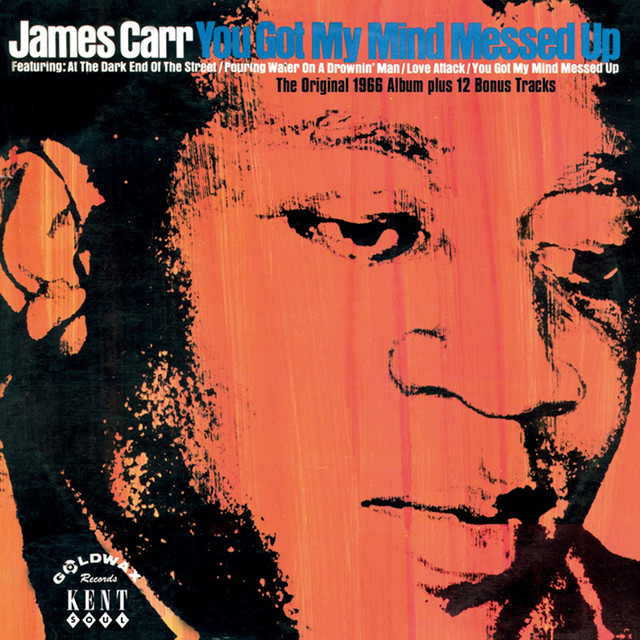
The Soundtrack of Struggle
James Carr's "The Dark End of the Street" is more than just a soul classic; it’s a resonant cry for justice that emerged from the turbulent 1960s. Written by Dan Penn and Chips Moman, the song was released in 1967 and features Carr’s haunting voice layered over a lush instrumental backdrop. It reached number 10 on the R&B chart, solidifying Carr's place in the pantheon of soul music.
A Reflection of Reality
The lyrics delve into themes of forbidden love and societal judgment, but they also mirror the struggles faced by African Americans during the civil rights movement. Lines like
capture the essence of both personal and collective pain. The street, a symbol of marginalized existence, serves as a backdrop for love that must be hidden, echoing the need for social justice in a divided America."At the dark end of the street, that's where we always meet"
A Soulful Rebellion
Released at a time when the civil rights movement was gaining momentum, the song's emotional weight resonated with those fighting for equality. It was a period when artists began to use their platforms to address social issues. Carr’s impassioned delivery and the song's soulful instrumentation made it a vehicle for expression, uniting listeners in a common struggle.
Interestingly, "The Dark End of the Street" has been covered by various artists, including Aretha Franklin and The Flying Lizards, showing its lasting impact.
More Than a Love Song
While many interpret the song as a tale of secret romance, the broader implications of secrecy and shame are rooted in the civil rights struggles of the time. The notion of hiding love parallels the need for hiding one’s identity in a society rife with discrimination. This duality makes the song a powerful anthem for those enduring systemic oppression.
A Legacy of Resistance
As the civil rights movement progressed, songs like Carr's became anthems for protests and gatherings. They provided a soundtrack for resistance, emboldening activists who sought to challenge the status quo. The emotional gravity of "The Dark End of the Street" captured the essence of struggle, making it not just a song, but a rallying cry for change.
Continued Relevance
Today, the themes of "The Dark End of the Street" remain relevant, echoing in contemporary movements advocating for social justice. The fight against systemic racism and inequality continues, and Carr’s soulful lament serves as a reminder of the long road toward justice. The song's legacy lives on, inspiring new generations to take up the banner of equality.
Conclusion: A Timeless Message
Ultimately, James Carr's "The Dark End of the Street" transcends its era, becoming a timeless reminder of the struggle for love and justice. Its haunting melody and poignant lyrics encourage reflection on both personal and collective battles, making it a crucial part of the soundtrack to the civil rights movement.