The Birth of a Funk Classic
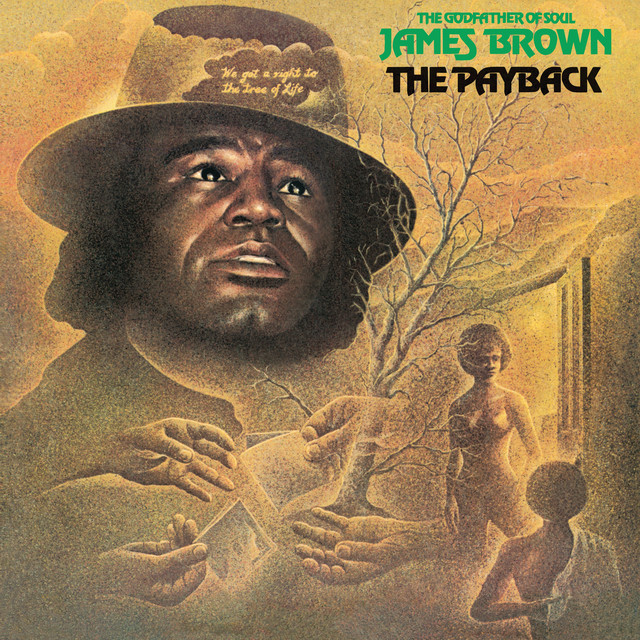
Released in January 1974, "The Payback" is the title track from James Brown's 37th studio album, marking a pivotal moment in his illustrious career. Produced by Brown himself, the song stands as a testament not only to his musical genius but also to the emotional turmoil he faced during a turbulent period in his life.
A Personal Narrative of Betrayal
The lyrics of "The Payback" are steeped in the bitterness of betrayal and the desire for retribution. With lines that echo a deep-seated anger, Brown channels the pain of being wronged, particularly in his relationships. This was no mere artistic flourish; it reflected his real-life experiences, especially in the wake of his tumultuous marriage to Deirdre “Dee Dee” Jenkins.
"I got to get back / I need some get back"
These lines resonate as a rallying cry for anyone who's felt the sting of betrayal. Brown's raw vocals infuse the song with an urgency that propels the listener into his world of hurt and anger. At this moment in his life, he was grappling with not only personal relationships but also his status within the music industry, which often felt treacherous and fickle.
The Sound of Revenge
The funk elements in "The Payback" serve as a perfect backdrop for the narrative of vengeance. The song features a relentless groove, driven by tight horns and a powerful rhythm section that mimic the intensity of Brown's emotions. It’s a sound that demands attention, much like the message it conveys.
Brown's collaboration with his trombonist Fred Wesley, who contributed to the song's lyrics, was crucial. Wesley’s ability to translate Brown’s personal grievances into a compelling lyrical narrative is a testament to their creative synergy. The music itself becomes an extension of Brown's feelings, as the instrumentation mirrors the tumultuous emotions described in the lyrics.
Context of Betrayal
At the time of the song's release, Brown was also facing legal battles and personal crises that threatened his career stability. These struggles didn’t just inspire the lyrical content of "The Payback"; they informed the very essence of the album. It’s a declaration of resilience, a refusal to be defeated by those who have wronged him.
"You can't take the payback / I'm gonna get you back"
This fierce assertion epitomizes Brown's determination to reclaim his power. The song emerged as an anthem not just for Brown, but for those who have ever felt sidelined or betrayed by the people they trusted.
A Cultural Impact
The influence of “The Payback” extends beyond its initial release. It has been sampled and referenced by countless artists across genres, highlighting its enduring relevance. The themes of betrayal and revenge are universal, making the song a timeless response to personal injustice.
Interesting fact: "The Payback" was originally intended to be a soundtrack for a blaxploitation film, showcasing the intersection of music and cultural commentary during the 1970s.
James Brown's ability to weave his personal narrative into his music is unparalleled. "The Payback" stands as a powerful testament to how personal experiences can fuel artistic expression, creating works that resonate across generations. It’s not just a song; it’s a battle cry, an emotional catharsis that continues to inspire listeners to stand firm in the face of betrayal.