The Soundtrack of Resilience
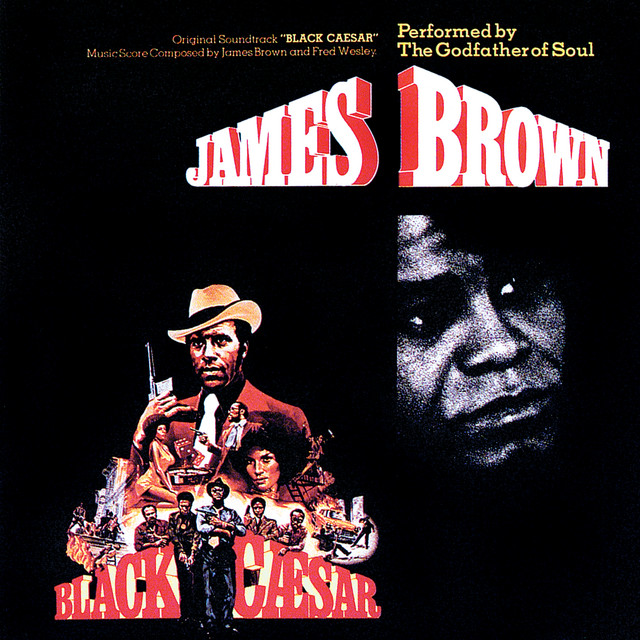
Released in February 1973, James Brown's album for the film 'The Boss' serves as a vibrant testament to his genius, but it's the undercurrent of African American church culture that truly elevates it. Brown, a master of not just funk but also the gospel roots that shaped his sound, channels the spiritual fervor of the church into his music, creating a soundtrack that feels both celebratory and deeply meaningful.
Gospel Roots in Funk
The opening track, "The Boss," immediately sets the tone with its driving rhythm and powerful horns. It’s a call to action and self-empowerment, echoing the enthusiasm found in church sermons. The song captures Brown's mastery of blending secular and spiritual influences, a hallmark of his work. His vocal delivery is infused with the intensity of a preacher on Sunday morning, dominating the soundscape with a magnetic presence.
"I’m the boss, I’m the boss, I’m the boss!"
This repeated refrain is not just a declaration of authority; it reflects a sense of unity and shared strength that is often palpable in church gatherings. Here, Brown transforms the concept of leadership into a collective experience, reminiscent of the communal calls and responses typical of gospel music.
Community and Celebration
The influence of the church on Brown's music isn't merely sonic; it extends to thematic content. His lyrics often evoke communal support and resilience, concepts deeply rooted in African American church traditions. The J.B.'s, his backing band, contribute to this atmosphere with rhythmic grooves that echo the hand-clapping and foot-stomping of a lively congregation.
James Brown was known as the "Godfather of Soul," but his roots in gospel music are what shaped his iconic sound.
A Unique Intersection
Brown's ability to blend funk with gospel isn't just about musical style; it’s a cultural intersection. The church has historically been a place of refuge and empowerment for African Americans. In "The Boss," Brown channels this spirit, creating an anthem that asserts confidence and defiance. The song’s infectious beat invites listeners to dance while simultaneously encouraging them to recognize their own power.
Lessons in Leadership
In a time of social upheaval and change during the 1970s, Brown's music provided a voice for the struggles and aspirations of many. His proclamation in "The Boss" is a reminder that leadership comes from within, a sentiment that resonates with the teachings often found in church sermons. The blend of gospel's hopeful messages with funk’s celebratory rhythms speaks to a broader narrative of resilience.
Legacy of Influence
The influence of African American church culture in Brown's work, particularly on this album, cannot be overstated. The call-and-response style that encourages participation is a direct reflection of the church's interactive nature. Brown's legacy is a powerful reminder of how these cultural roots can transcend genres, providing a foundation for future musicians.
"I gotta be the boss!"
With each iteration of this line, Brown emphasizes the importance of ownership over one's life and experiences, a message that aligns perfectly with the themes of empowerment found within religious teachings.
Conclusion: The Spirit of Funk
Ultimately, "The Boss" is more than a soundtrack; it is a celebration of the spirit of funk, deeply entwined with the influences of African American church culture. Brown's ability to channel these influences into his music creates a compelling narrative that continues to resonate today. The driving force behind this track is not just the beat, but the profound message of self-empowerment and community that has its roots in the church.