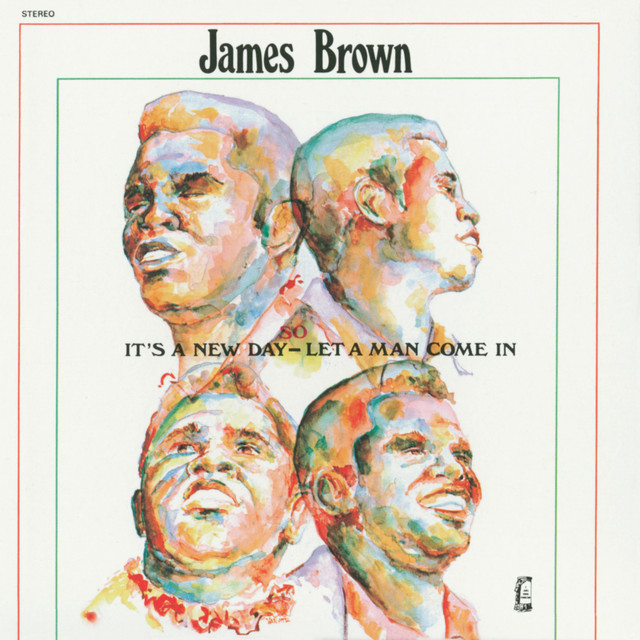
The Anthem of Masculinity
James Brown’s 1966 track, "It's A Man's, Man's, Man's World" is a powerful statement that captures the essence of male dominance in society. Co-written with Betty Jean Newsome, this song not only showcases Brown’s dynamic vocal prowess but also serves as a mirror reflecting the societal norms of the time.
Released on the album of the same name, the song came at a pivotal moment in American history, coinciding with the rise of the feminist movement. The lyrics convey a stark reality: despite the contributions of women, the world is still fundamentally structured around male authority.
Feminism in the 1960s
The 1960s were characterized by a surge in feminist activism, challenging traditional gender roles and advocating for women's rights. Activists like Betty Friedan and Gloria Steinem pushed for equality and highlighted the pervasive sexism in both public and private spheres. Brown's song, while rooted in a patriarchal perspective, inadvertently provided a rallying cry for women seeking to reclaim their narrative.
“This is a man's world, but it wouldn't be nothing without a woman or a girl.”
These lyrics underline a complicated truth. While Brown acknowledges women's vital roles, the framing of the world as a “man’s world” reinforces the existing power structures. Yet, it simultaneously opens a dialogue about the systemic undervaluation of women’s contributions.
The Cultural Moment
Brown's performance style and the song's instrumentation also played a crucial role in its impact. The heavy orchestration, punctuated by Brown's impassioned delivery, creates a sense of urgency that aligns with the feminist movement's fervor. As women began to assert their rights and identities, this song echoed their struggles and aspirations.
Interestingly, the song was recorded during a time when civil rights activism was at its peak, and the themes of power and inequality resonated across multiple movements.
Feminist Interpretations
Feminists of the era found various ways to interpret and respond to the song. Some saw it as a critique of patriarchy, urging women to demand their place in society. Others recognized its limitations but used it as a springboard for discussion about gender inequality.
As the feminist movement gained momentum, songs like "It's A Man's, Man's, Man's World" became touchstones for conversations about the roles women played in both the workplace and home. The song’s contradictions—celebrating women's importance while simultaneously relegating them to a supportive role—reflect the complex interplay of the feminist struggle during this era.
Legacy and Influence
Decades later, the song remains a critical piece of music history, illustrating the tension between admiration for women and acknowledgment of male supremacy. Its enduring relevance is evident in contemporary discussions about gender equality.
Artists across genres have drawn inspiration from Brown’s work, using it as a lens to explore modern issues of gender and power. The song not only documents a moment in time but also influences the ongoing fight for gender equity.
“You see, man made the cars to take us over the road.”
Here, Brown’s assertion that men created the tools of societal advancement highlights the systemic barriers women faced. The acknowledgment of women’s foundational role in society, despite being overshadowed by male achievements, remains a poignant reminder of the necessity for change.
Conclusion
James Brown’s "It's A Man's, Man's, Man's World" stands as a cultural artifact that captures the complexities of gender dynamics in the 1960s. The song’s legacy continues to inspire dialogue about feminism, revealing the deep-seated issues that still challenge us today.