The Weight of the Neighborhood
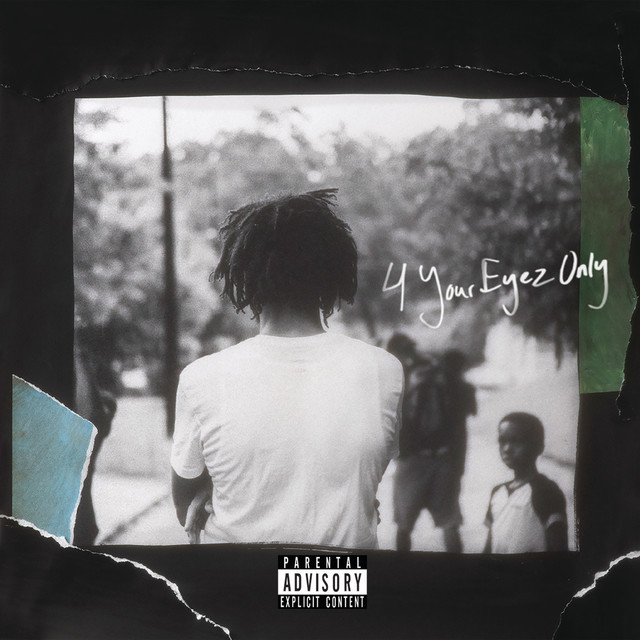
In J. Cole's "Neighbors," the rapper confronts the complexities of identity and belonging, framed through the lens of his own neighborhood. Released on December 9, 2016, as part of his album 4 Your Eyez Only, the track highlights the paradox of aspiration and the scrutiny that often accompanies it.
Surveillance and Stereotyping
The song begins with a vivid portrayal of a moment of tension—Cole's house is raided by police, driven by a neighbor's suspicions. This incident is not just a personal anecdote but a reflection of broader societal issues. Cole raps,
—a line that captures the unfortunate reality many face in predominantly Black neighborhoods, where success can often be misinterpreted as criminality."I guess the neighbors think I'm sellin' dope"
Community and Isolation
In "Neighbors," the neighborhood transforms into a character of its own, representing both a sanctuary and a prison. While Cole finds solace in his roots, he also feels the weight of expectations and judgments from those around him. The song's production, marked by a haunting beat and subtle instrumentation, mirrors this tension, creating an atmosphere that is both intimate and oppressive.
The American Dream and Its Discontents
Cole's narrative is also a critique of the American Dream—a concept that often feels out of reach for those in marginalized communities. The suspicion from his neighbors reveals a cultural implication: success is oftentimes met with skepticism. As he reflects on his rise, Cole questions what it means to achieve greatness in a society that continues to view him through a narrow lens.
Symbolism of Home
The neighborhood serves as a microcosm for larger cultural dynamics. Cole's experience underscores the struggle between personal ambition and communal perception. The line
not only defends his character but also serves as a reminder of the burdens placed on Black individuals striving for success. The neighborhood, a place of potential, becomes a battleground for identity."You ain't gotta worry 'bout me, I ain't sellin' dope"
J. Cole's 4 Your Eyez Only debuted at No. 1 on the Billboard 200, showcasing his influence and connection to cultural narratives.
The Cultural Implication of Surveillance
The song's climax emphasizes the invasive nature of surveillance, both social and institutional. The police presence in his life represents a larger system that criminalizes Black success. This narrative is not just a personal story for Cole but a reflection of a collective experience faced by many in similar communities, highlighting systemic racism and the fear that success can elicit from those who hold prejudiced views.
Conclusion: A Call for Understanding
Through "Neighbors," J. Cole masterfully critiques the cultural implications of neighborhood dynamics while reflecting on his journey. The song serves as a reminder that understanding one’s neighbor goes beyond surface-level judgments. In an age of increasing division, Cole’s narrative calls for empathy and awareness, urging listeners to recognize the stories that often go untold.