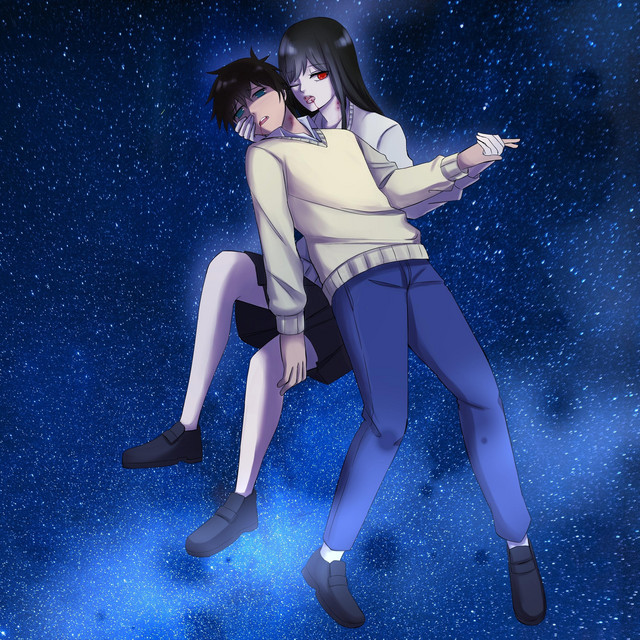
Horror and Emotion Intertwined
INOHA’s track "ALUCARDA," featured on their 2023 album *Visceral Echoes*, is more than just a haunting melody; it’s a rich exploration of fear, desire, and the supernatural. Drawing inspiration from both classic horror cinema and personal introspection, the song is a vivid portrayal of inner turmoil.
The title itself pays homage to the cult horror film *Alucarda* (1977), which centers around themes of demonic possession and the struggle against dark forces. INOHA's frontperson, Aiko Tanaka, infuses these themes into her lyrics, creating a connection that feels both personal and universal.
Lyricism Rooted in Fear
Tanaka's lyrics are laden with visceral imagery, pulling the listener into a world where the line between reality and nightmare blurs. The chorus, with its driving beat and haunting melody, evokes a sense of urgency. The repetition of the phrase “I feel you pulling me in” encapsulates the magnetic pull of fear and temptation.
"I feel you pulling me in, darkness, my only friend"
This line not only illustrates the allure of darkness but also reflects a deeper emotional struggle. It’s a poignant reminder of how fear can often masquerade as familiarity, a theme that echoes throughout the album.
Musical Influences
The sound of "ALUCARDA" is equally significant. With producer Marco Vasquez at the helm, the track blends elements of post-punk and darkwave. The shimmering synths and driving bass lines create an atmosphere that is both unsettling and captivating. This sonic backdrop complements the lyrical themes, enhancing the overall experience.
Musically, INOHA draws from artists like Siouxsie and the Banshees and The Cure, yet they carve out their own niche. The use of layered vocals in the chorus creates a haunting effect, reminiscent of the ethereal soundscapes that defined the genre in the '80s. This connection to the past, yet firmly rooted in contemporary emotion, is a hallmark of INOHA’s style.
Exploring Personal Struggles
Beyond cinematic references, "ALUCARDA" is deeply personal for Tanaka. It reflects her own battles with anxiety and self-doubt. Lines that grapple with the weight of expectation and the fear of failure give the song a relatable edge. This vulnerability is what sets INOHA apart in a crowded music scene.
Interesting fact: The song was inspired by Tanaka's own experience with anxiety, making the themes of fear and darkness more personal.
The contrast between the heavy lyrical content and the danceable rhythm creates a compelling dissonance. It reflects the struggle of facing one’s demons while also attempting to break free from their grasp. This duality is a recurring theme throughout *Visceral Echoes*.
Cinematic Narratives
The music video for "ALUCARDA" further enhances the song’s narrative. Directed by renowned filmmaker Lila Chang, it features striking visuals that blend elements of horror and surrealism. The imagery is steeped in symbolism, with Tanaka often depicted in shadowy environments, visually representing the internal battles articulated in the lyrics.
In an interview, Chang remarked on the importance of merging music and visual storytelling. “The horror genre offers a unique lens to explore human emotion,” she stated, which perfectly aligns with the themes present in INOHA's work.
Final Thoughts
"ALUCARDA" is a testament to INOHA’s ability to weave together influences from various sources into a cohesive and impactful narrative. It’s a song that invites listeners to confront their fears while simultaneously moving them to dance. The interplay of horror and emotion in Tanaka’s lyrics and the rich soundscape crafted by Vasquez create a unique listening experience that lingers long after the final note fades.
In a world where many artists shy away from vulnerability, INOHA embraces it, making "ALUCARDA" not just a song, but an exploration of the dark corners of the human psyche.